A blueprint for a dedicated, last-resort nuclear crisis communication system.

The Latest from CATALINK
Announcements, reports, commentary, and analysis


Frequently Asked Questions
Learn more about CATALINK, the technical specifications, how it fits in the strategic landscape, and what’s next for the effort
What is CATALINK?
The CATALINK project builds an open source, additive, multilateral crisis communication technology for use by the leaders of nuclear weapons states. If implemented, CATALINK would build on the “hotline” model of previous generations, and rely on internationally-driven open-source technologies to maximize user integrity and trust.
What are the CATALINK components?
The Puck
A simple, secure, and robust device meant for dedicated communication between global leaders and officials during a nuclear crisis or other high-stakes events like disaster response. Designed with an open-source platform, the Puck will send text messages in minutes.
The Broker
An interface between the puck and the ROCCS which determines the path of the Puck message throughout the desired network.
The ROCCS (Resilient Omni Frequency Crisis Communications System)
A permanently active global mesh network, the ROCCS uses multiple channels/wavelengths to ensure reliable message relays; one of a variety of redundant networks for puck messages to use depending on availability, the threat environment, and the type of message sent.
Why is CATALINK needed?
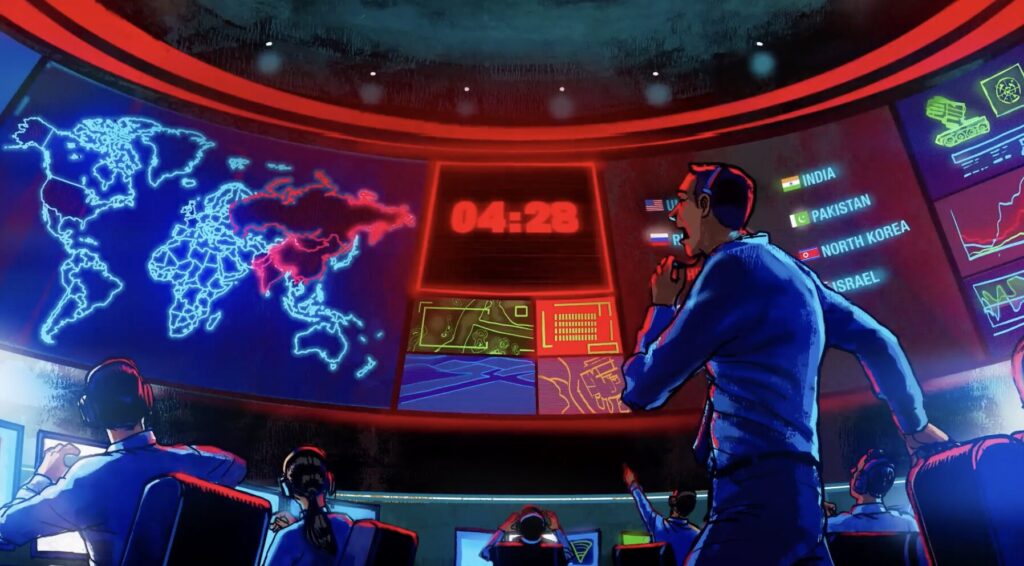
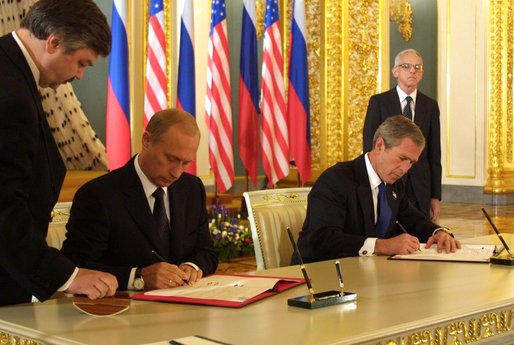
Not every country with nuclear weapons has a direct leader or military communication line with every other country with nuclear weapons. Additionally, there are no multilateral hotlines between states with nuclear weapons. Unlike the Cold War when security concerns were largely focused on one bilateral conflictual dyad, 21st century challenges are increasingly complex with multiple strategic competitors. CATALINK is an additive measure, not meant to replace existing hotlines but to add other resilient options for leaders to communicate before, during, and after a conflict or nuclear war.
Existing hotlines may be vulnerable to kinetic threats, such as environmental degradation or destruction during conflict, or non-kinetic threats such as cyber attacks and electronic warfare. New technological developments that could further destabilize communications (e.g. AI-generated audio and video) must also now be taken into account when thinking of how to improve resiliency, especially in a degraded security environment where miscommunication and misperceptions can flourish.
Staff & Advisors
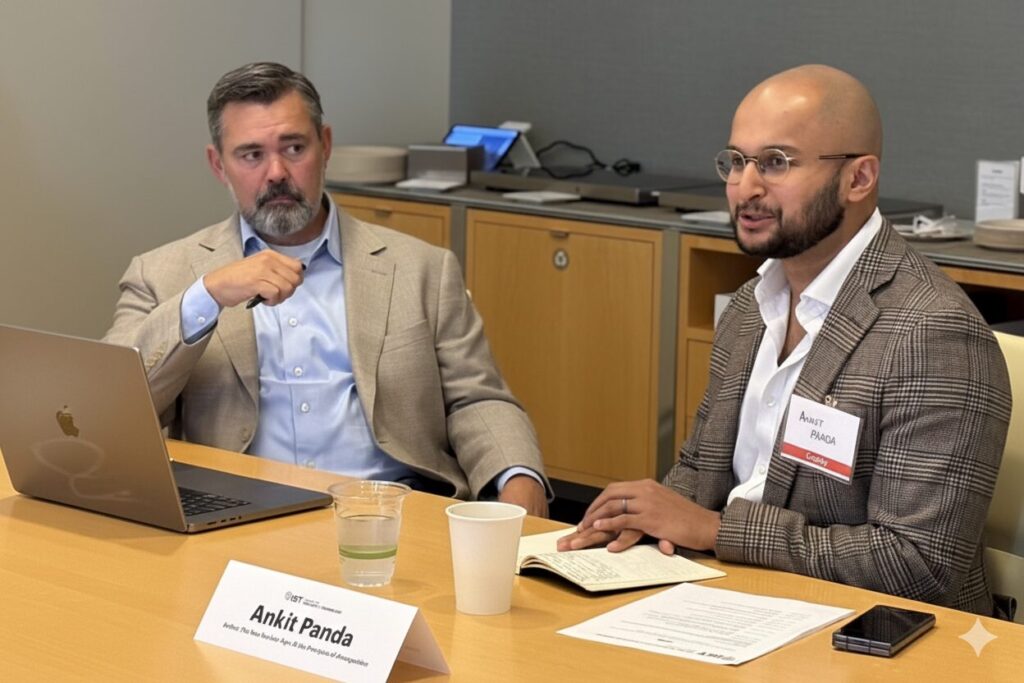
The team continues to drive progress on developing a blueprint for a last-resort, secure crisis communications channel
From the Field
Hear what our team, advisors, funders, and officials have to say about the CATALINK initiative
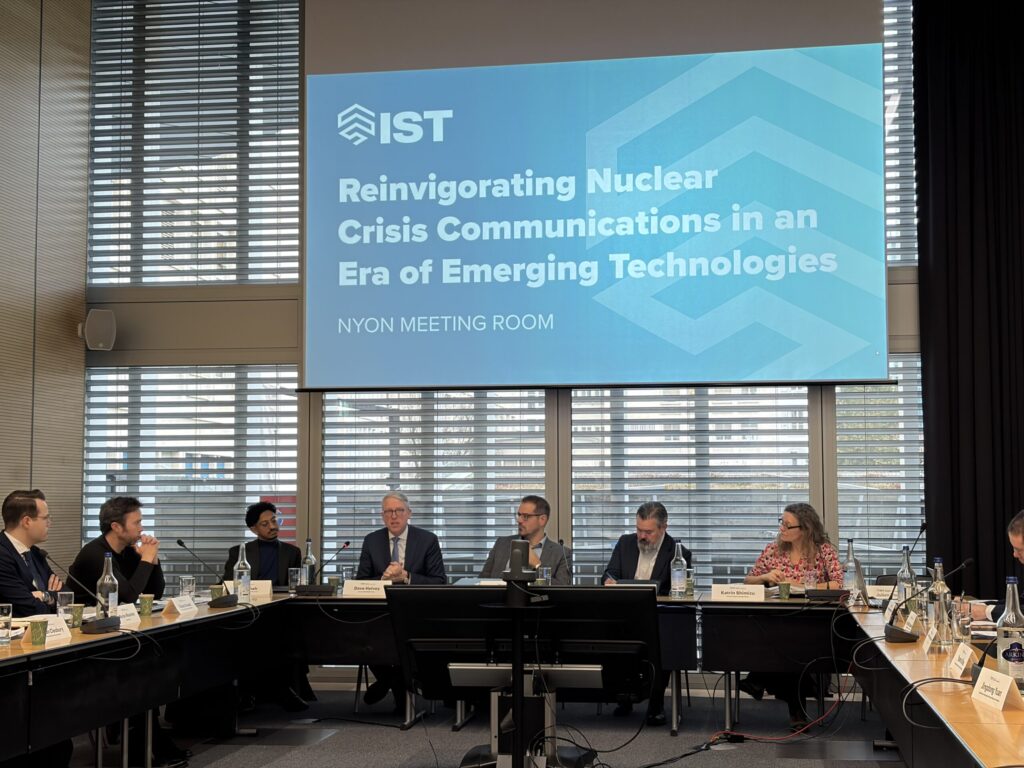
IST’s conceptual and practical work on credible, crisis-proof tools for multilateral crisis prevention and management is truly remarkable. By developing a concept for fostering secure communication lines and actionable measures, IST sets a strong foundation for managing future crises effectively. We deeply appreciate IST’s commitment to reducing nuclear risks and look forward to seeing their impactful work continue to shape a safer world.
Reto Wollenman
Swiss Federal Department of Foreign Affairs Deputy Head for Arms Control, Disarmament, and Cybersecurity
Secure crisis communication is a linchpin in preventing nuclear catastrophe by ensuring clear, reliable, and protected channels for dialogue and decision-making. This is why Germany is honored to support IST’s groundbreaking efforts to address nuclear risks through innovative and pragmatic solutions. IST’s work on developing credible, resilient tools for multilateral crisis prevention and management is both visionary and essential.
Katrin Shimizu
Deputy Head of Division for Nuclear Disarmament, Arms Control, and Non-Proliferation at the German Federal Foreign Office