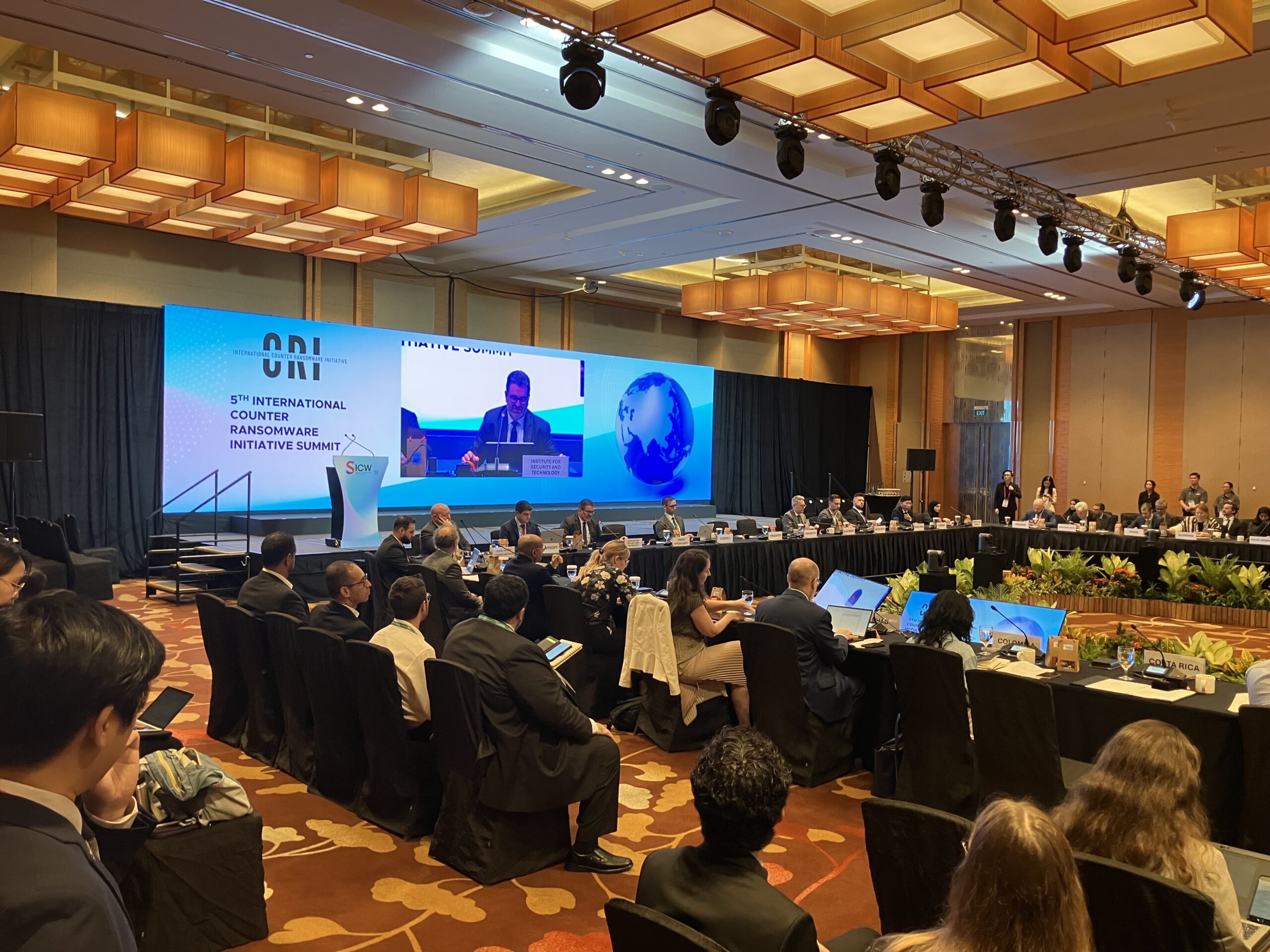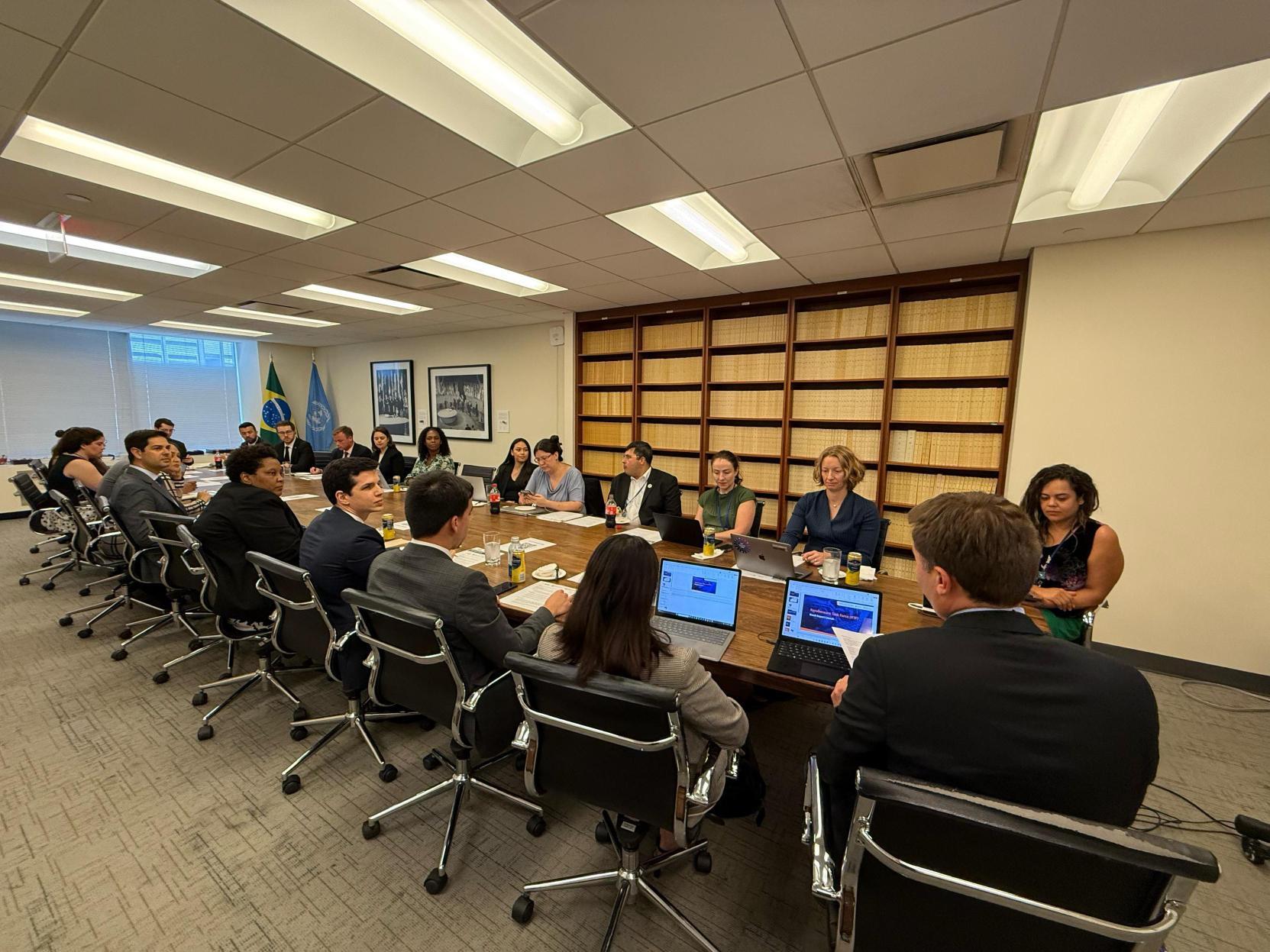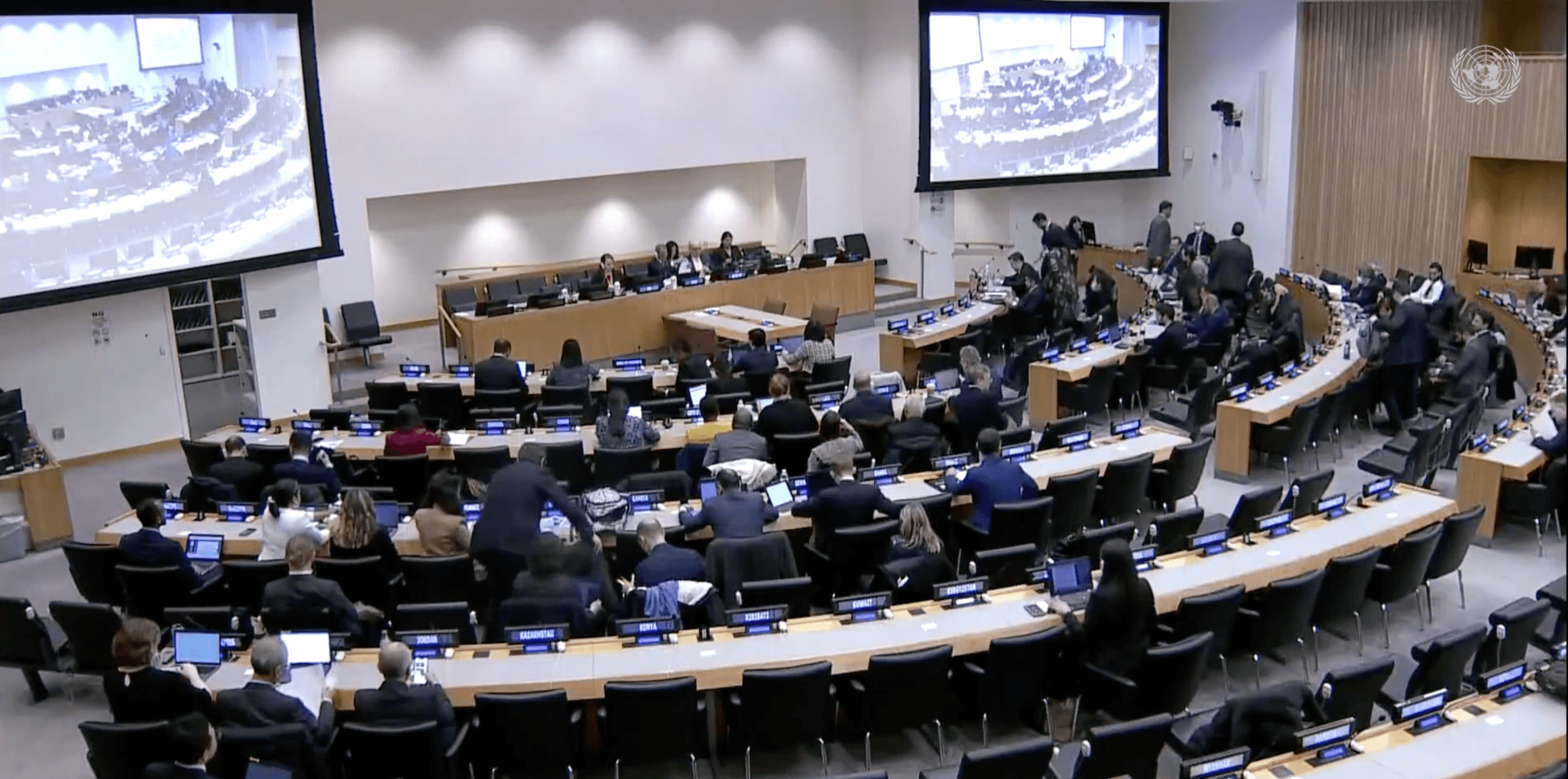
Elizabeth Vish leads IST’s work engaging leaders outside the United States with recommendations from IST’s work on the Future of Digital Security. She regularly contributes to global discussions on cybersecurity best practices, including how the public and private sector can collaborate effectively and how the multistakeholder community can offer cyber capacity building to developing nations.
Before joining IST, Elizabeth served as a member of the State Department’s cyber foreign policy team. In this role, she led large-scale interagency coordination on cyber capacity building efforts globally and provided practical support for Embassies and the U.S. interagency on how to approach cyber capacity building efforts. While in the State Cyber Diplomacy team, her portfolios also included policy related to deterrence, attribution, cyber effects operation policy, and the G20, as well as bilateral and regional engagements with Africa. Ms. Vish was a Presidential Management Fellow from 2013 – 2015, covering macroeconomic trends and debt issues at the Department of Treasury and good governance and government fiscal transparency in the State Department’s Office of Monetary Affairs.
Ms. Vish served as a member of the Advisory Board of the Global Forum for Cyber Expertise from 2022 – 2024, and continues to lead IST’s engagement with the GFCE. Previous to her federal career, she worked at the National Democratic Institute and the Education Center for Women in Democracy to strengthen democratic practices in sub-Saharan Africa. She received a Master’s of Arts in International Relations with honors from the Johns Hopkins School of Advanced International Studies, with dual concentrations in International Economics and Southeast Asian Studies.
Areas of Expertise: technology diplomacy; responsible state behavior in cyberspace; cyber capacity building and foreign assistance; cyber operations policy; public private partnerships; technology and religion; Africa cyberspace policy; technology and democratic processes; women’s participation in technology policy-making