Skip to content
Sign Up for Our Newsletter
About
Close About
Open About
About the Institute for Security and Technology
Our Team
Board Of Directors
Careers
Contact Us
Featured Events
Cyber Policy Awards
Critical Effect DC
Projects
Close Projects
Open Projects
AI and NC3
Pioneering action-oriented efforts to explore how advanced AI capabilities will be integrated into nuclear command, control, and communications
AI Antitrust and National Security
Exploring how to more effectively account for national security considerations in AI antitrust cases while respecting precedent, scope, and the core principles of antitrust law
AI Risk Reduction Initiative
Assessing the emerging risks and opportunities of AI foundation models and developing risk reduction strategies
AI Chip Export Control Initiative
Safeguarding U.S. national competitiveness by closing critical compliance and enforcement gaps
AI Risk Barometer
Measuring national security professionals’ perceptions of AI futures through a technically-informed survey
CATALINK
Preventing the onset or escalation of conflict by building a resilient global communications system
Energy FIRST
Powering U.S. and allied security & prosperity through a resilient energy future
Ransomware Task Force (RTF)
Combating the ransomware threat with a cross-sector approach
Religious Voices and Responsible AI
Engaging religious communities on safe and beneficial AI
SL5 Task Force
Strengthening AI security through a multistakeholder approach
UnDisruptable27
Driving more resilient lifeline critical infrastructure for our communities
All Projects
» Explore all of IST's projects, past and current
Focus Areas
Future of Digital Security
Geopolitics of Technology
Innovation and Catastrophic Risk
Events
Insights
Contact
Search
Donate
Archive
trust
Blog
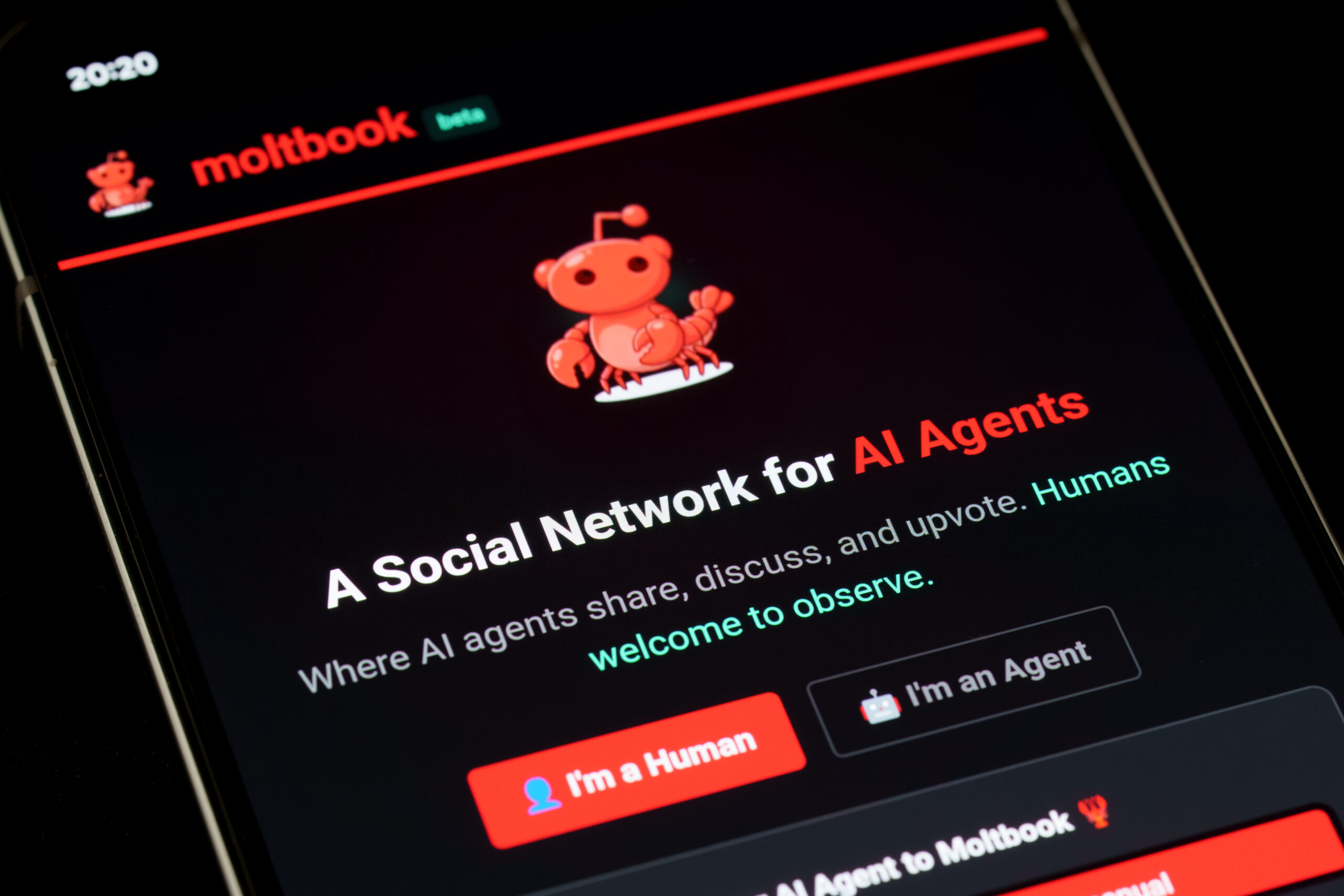
Lessons from Moltbook: When Agents Talk to Agents
Moltbook, a Reddit-like forum meant solely for AI agents, had already garnered over 1.5 million users before research suggested that a multi-agent environment with weak cybersecurity guardrails could be a hotbed for scaling fraud and influence operations. For the IST blog, Gabrielle Tran outlines what this means for the cyber-enabled manipulation of tomorrow.
AI
,
AI agents
,
artificial intelligence
,
fraud
,
malware
,
phishing
,
prompt injection
,
trust
February 26, 2026
Blog
Defragging Trust & Safety: Cross-Platform Collaboration at TrustCon 2025
While malicious actors exploit vulnerabilities across the digital landscape, Trust & Safety teams often operate in silos, unable to share information or coordinate responses with those who are fighting the same fight. At #TrustCon2025, IST and Twitch will co-host a roundtable discussion to bridge these divides and establish pathways toward meaningful, practical cooperation. IST Ecosystem Trust & Safety Associate Fatima Faisal Khan previews the roundtable.
information sharing
,
ISAC
,
safety
,
trust
,
TrustCon
July 21, 2025
Report
Memory: How digital technologies influence cognitive information storage
Memory is foundational to cognition. It enables individuals to operate with certain assumptions about truth based on prior validated beliefs. Memory informs individual decision making, reasoning, and problem solving. There are also significant societal implications rooted in memory function. Individual memories, collectively and cumulatively, inform the development of “national memory,” which in turn influences “the construction of a democratic culture and collective identity.” This report provides a working definition of memory and focuses especially on long-term memory.
bias
,
cognition
,
DCDI
,
democracy
,
Geopolitics of Technology
,
GPS effect
,
manipulation
,
memory
,
trust
October 27, 2022
Report
Modulating Trust
Social trust – trust in other people and institutions – is critical to the DCDI problem set. But trust is not always beneficial. Although trust in technology can facilitate economic transactions, it can also diminish our capacity for skepticism. Consumers tend to prefer to use technologies that they trust, and sellers and developers of technology find more success when there is more trust in their systems. Yet trust placed too freely in technologies can also generate vulnerabilities for those same consumers–to identity theft, to addiction, to misinformation, and to fraud.
attention
,
cognition
,
DCDI
,
democracy
,
fraud
,
Geopolitics of Technology
,
misinformation
,
social trust
,
trust
October 27, 2022
Report
Rewired: How digital technologies shape cognition and democracy
The Digital Cognition & Democracy Initiative is investigating how digital technologies affect human cognition, and what those effects mean for democracy. Rewired by Leah Walker examines different key themes that have emerged in our DCDI research and working meetings with coalition members. This series is meant to illustrate the depth of the digitally influenced cognition problem, and illuminate how we are thinking about these issues.
attention
,
cognition
,
critical thinking
,
DCDI
,
democracy
,
emotions
,
friction
,
Geopolitics of Technology
,
information overload
,
memory
,
reasoning
,
trust
October 27, 2022
Search
Search
Home
About
CATALINK BRIEF
FAQ
Our Team
Why do we need crisis communications?
Activities
Events
Insights
Podcasts
Press
Get In Touch