Phishing and cyber-enabled fraud are escalating global threats affecting users, consumers, organizations and countries alike. A new white paper, developed by the World Economic Forum’s Partnership against Cybercrime in collaboration with IST, presents a systemic defense framework to confront this challenge.
Phishing and cyber-enabled fraud are a growing global threat to users, consumers, organizations and countries. The World Economic Forum’s Partnership against Cybercrime, in collaboration with the Institute for Security and Technology (IST), developed a systemic defense framework to address this issue.
This approach explores how a multistakeholder model can shift responsibility upstream, empowering those best positioned to act at scale and prevent harm from taking root in the first place. These efforts sit in the space between public awareness initiatives – which aim to educate users about online risks – and law enforcement disruption campaigns that target criminal networks once harm has occurred.
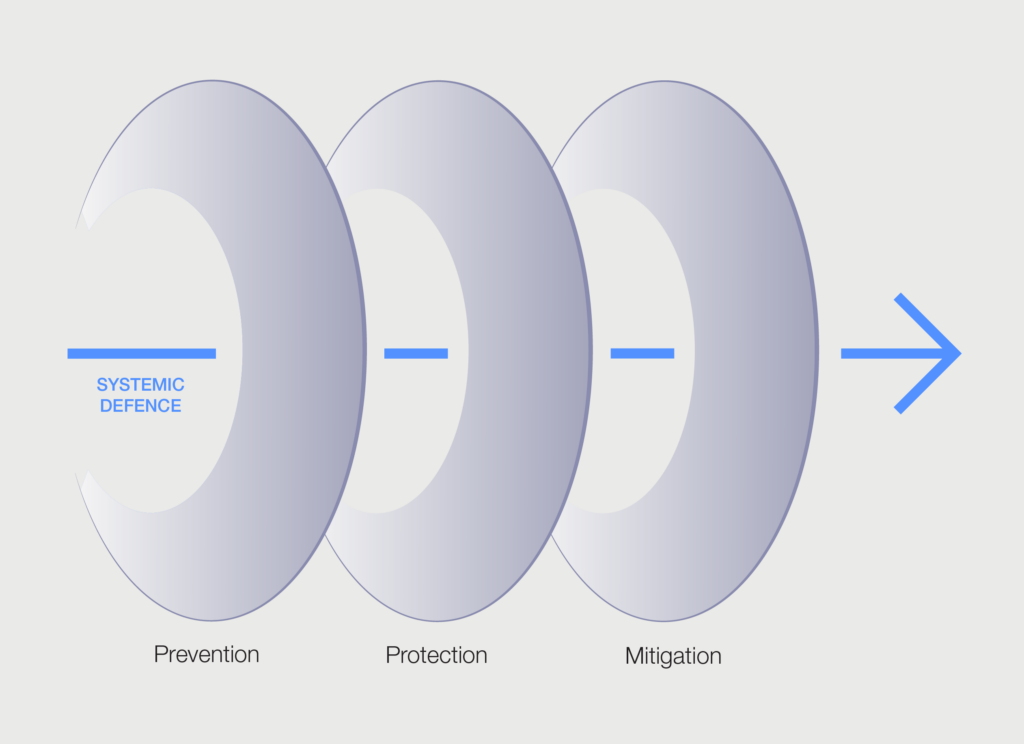
This paper calls on stakeholders to act across three complementary pillars of systemic defense:
Prevention: Structurally reducing abuse before it occurs. Prevention focuses on embedding safeguards at the foundational layers of the internet to reduce bad actors’ ability to acquire, build or operate digital infrastructure for malicious purposes. Actions include strengthening risk-based due diligence and oversight in domain registration and hosting to detect and prevent misuse long before harm occurs.
Protection: Embedding user safety by default. Protection calls for proactive, scalable solutions for consumer-facing services – such as email, browsers and messaging platforms – to shield users from phishing and cyber-enabled fraud. Governments can accelerate adoption and impact through national coordination hubs, enabling regulation and targeted incentives that raise the baseline of digital safety.
Mitigation: Enabling rapid, collective response. Even with prevention and protection in place, timely detection and response remain essential. This paper calls for ecosystemwide signal sharing – the exchange of verified, privacy-preserving indicators of abuse – and for incentives that promote effective action by relevant stakeholders. AI-assisted threat detection can enhance collaboration and enable response at the speed and scale required to contain sophisticated criminal infrastructures.
The actions proposed in this paper build on proven approaches already taking shape at the national level, while charting new pathways for collaboration and scale. By taking advantage of this momentum, it will be possible to strengthen systemic defense and foster a cohesive community of stakeholders committed to reducing the growing threat of phishing and cyber-enabled fraud.
Figure 1: The report puts forward a systemic defense approach to cyber-enabled fraud that incorporates prevention, protection, and mitigation. Image Credit: World Economic Forum
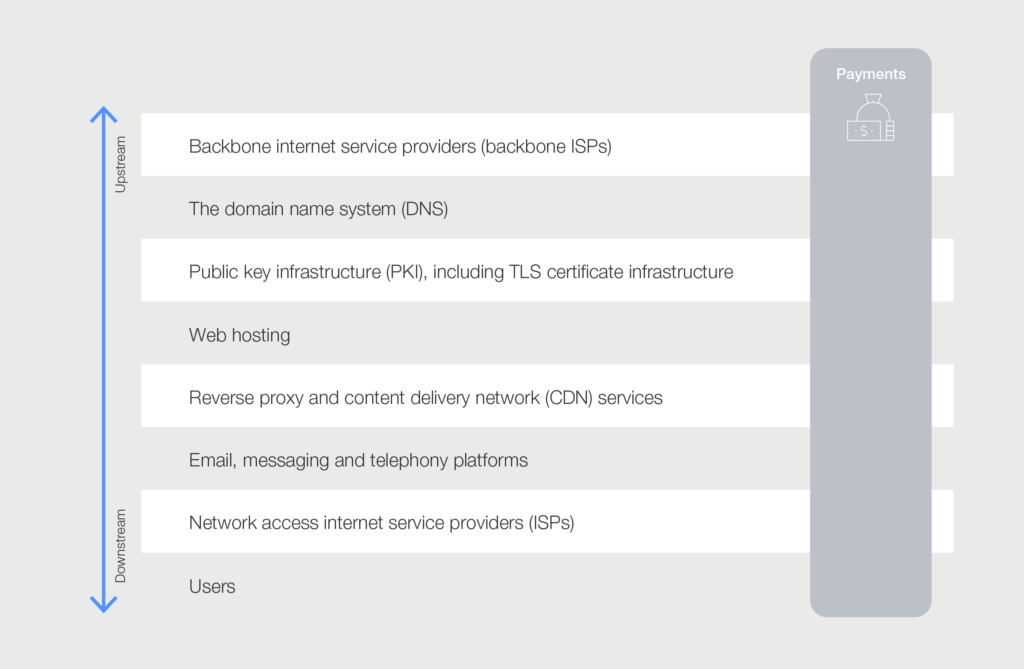
Figure 2: Depiction of the digital ecosystem. Image credit: World Economic Forum
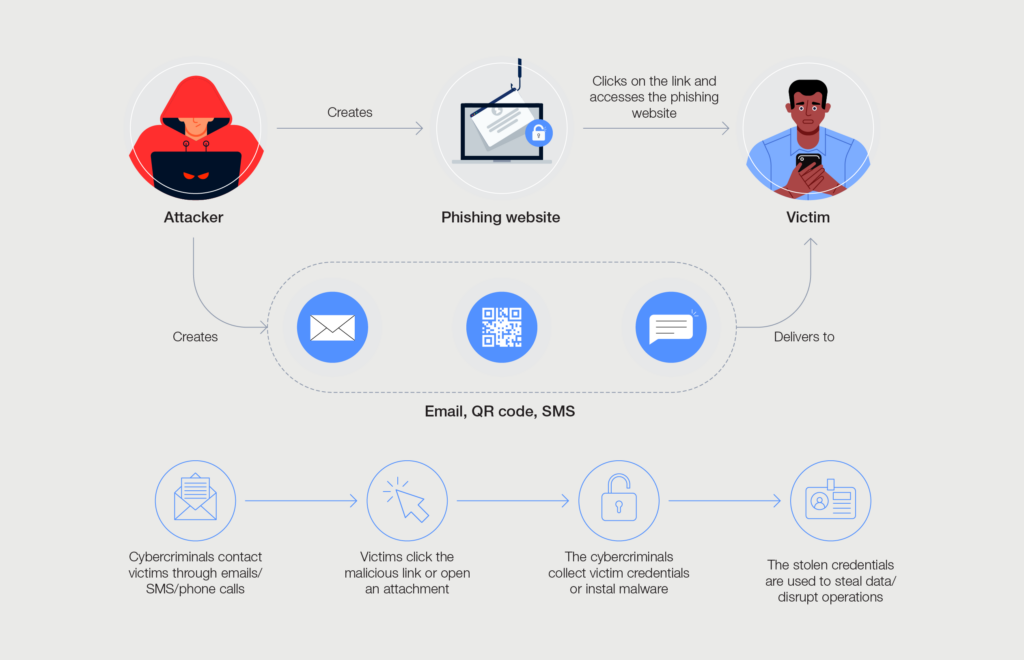
Figure 3: Depiction of a phishing incident. Image credit: World Economic Forum