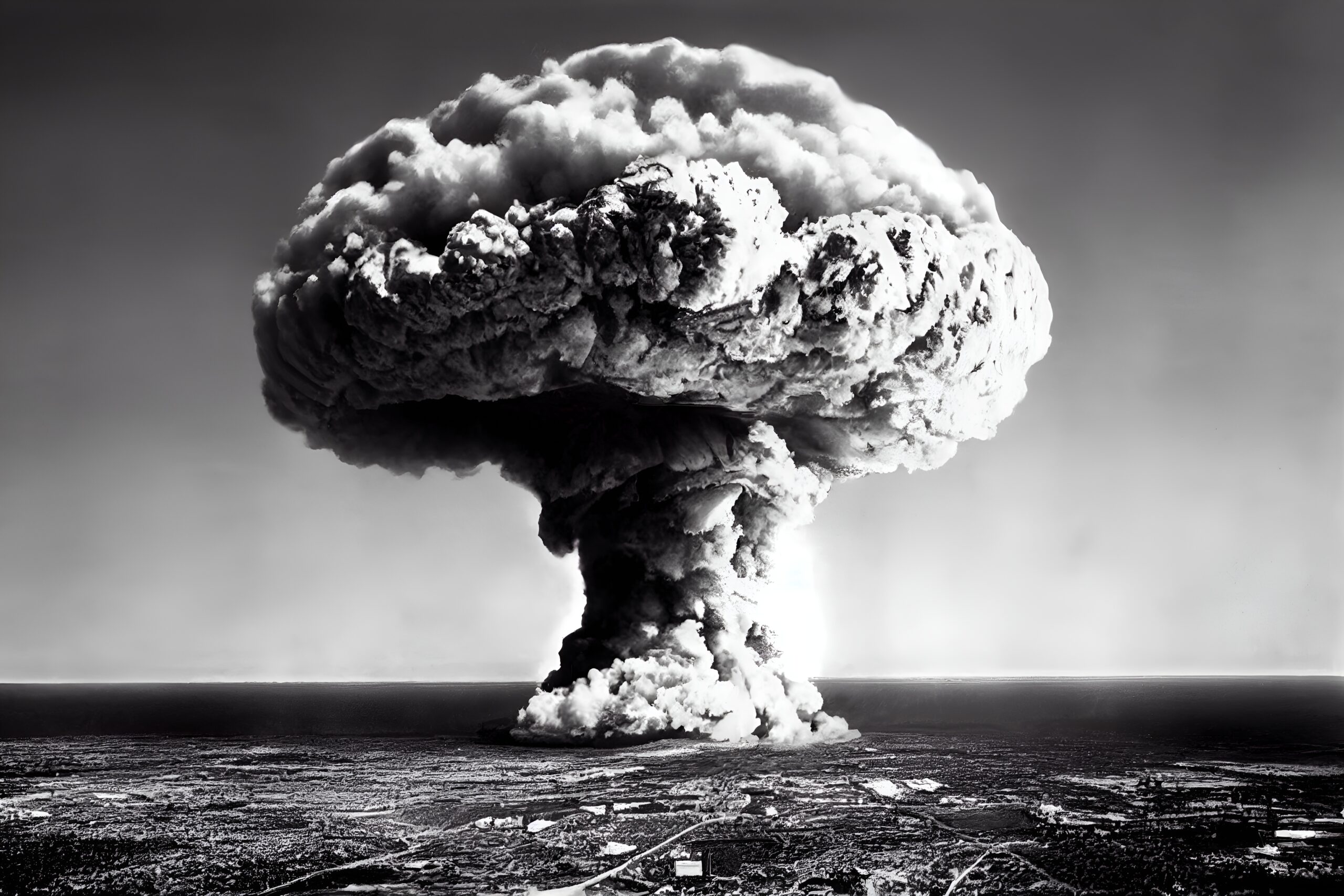
Today’s AI is more advanced and powerful than ever, directly affecting strategic stability and the offense-defense balance. Nuclear-armed states are investing in advanced AI tools and capabilities and exploring ways to leverage AI for military advantages. The complexity of nuclear command, control, and communication (NC3) systems already creates significant challenges directly impacting nuclear deterrence. With the exponential growth in AI capabilities, global security rests in a delicate balance. IST’s work is urgently needed to raise awareness, foster dialogue, and establish frameworks for stable and predictable practices.
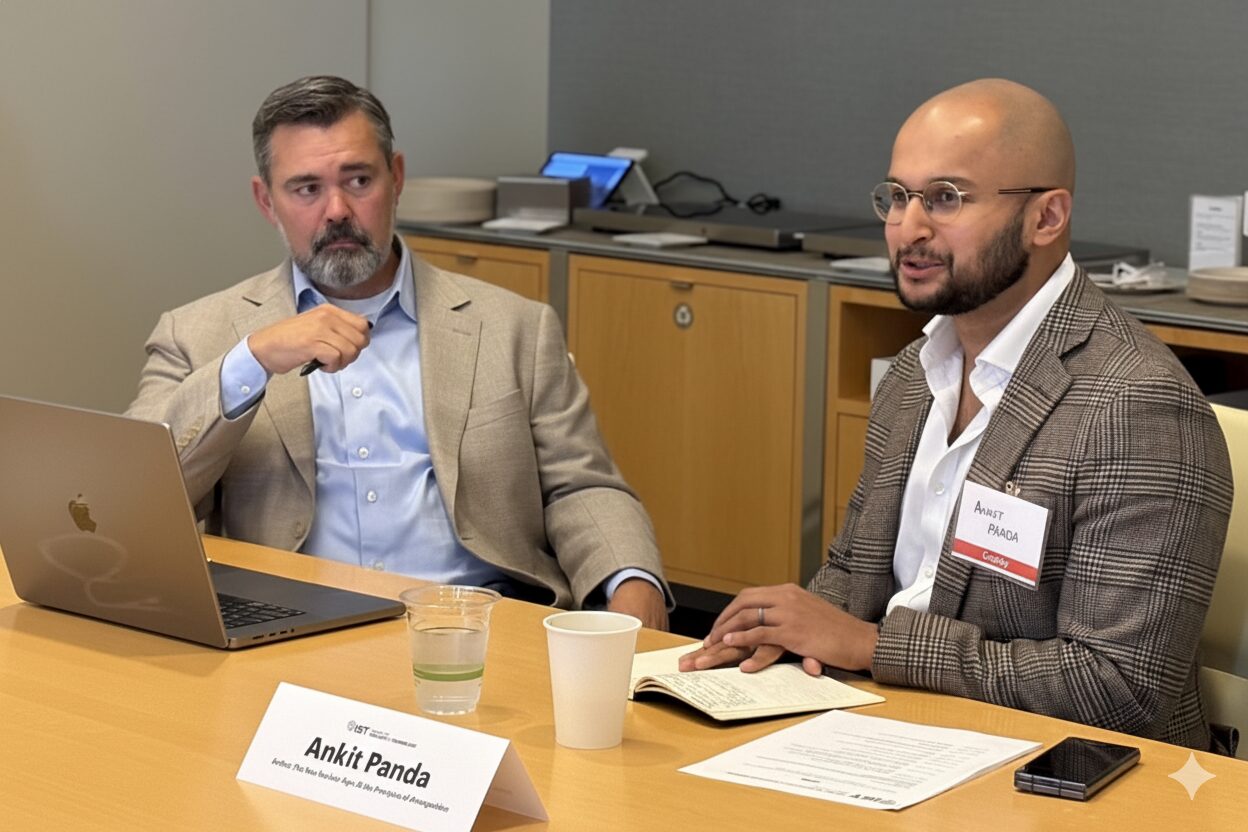
In partnership with Longview Philanthropy, IST is pioneering action-oriented efforts to explore how advanced artificial intelligence (AI) capabilities will be integrated into nuclear command, control, and communications (NC3) systems and subsystems. This is an important exercise to advance awareness and embark on gap analysis studies to determine how AI-NC3 integration could be stabilizing or destabilizing for nuclear-armed states. IST’s collaboration seeks to find common ground on the risks and opportunities that this integration presents.
“Our goal is to establish a comprehensive, enduring research agenda that brings together leading experts to systematically examine the complex technological, doctrinal, and governance challenges emerging from artificial intelligence's integration with nuclear command, control, and communications (NC3) systems. This multifaceted challenge demands rigorous analysis across critical dimensions: the technical reliability and security of AI systems operating in nuclear contexts, the evolution of military doctrine and strategic stability in an AI-enhanced environment, and the development of robust governance frameworks that balance transparency with operational security requirements. The project team is committed to fostering sustained collaboration with a diverse coalition of stakeholders. Through a collaborative approach, we aim to develop actionable research and policy priorities, establish shared analytical frameworks, and create lasting institutional mechanisms that can adapt to the rapidly evolving intersection of artificial intelligence and nuclear weapons systems.”
Sylvia Mishra, Deputy Director of Nuclear Policy, IST