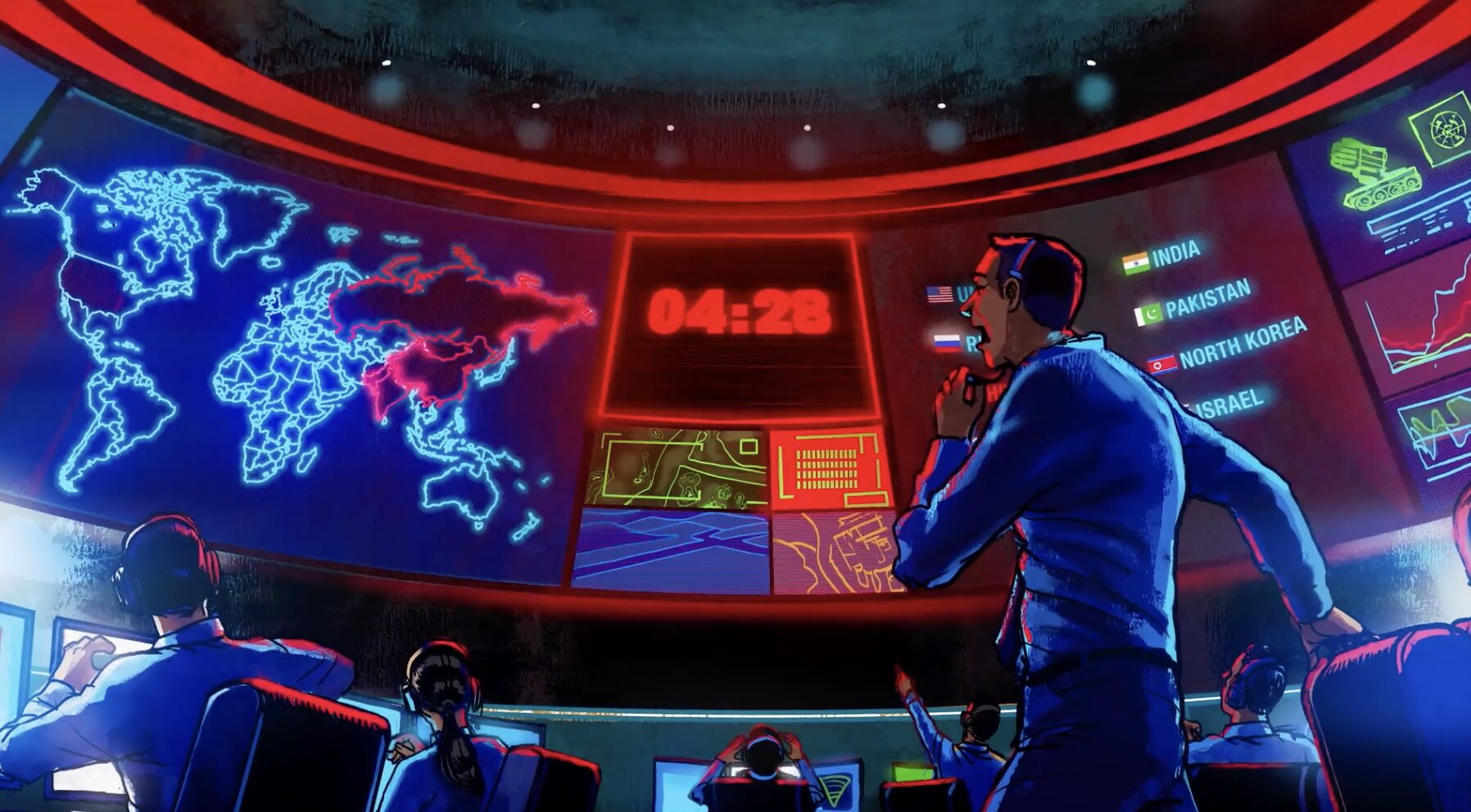
In an era defined by escalating geopolitical conflict and renewed nuclear brinkmanship, the Institute for Security and Technology (IST) has released a powerful new video titled: “When Every Second Counts: Why the world needs a new last-resort nuclear hotline like CATALINK.”
Narrated by Rose Gottemoeller, former NATO Deputy Secretary General and U.S. Undersecretary of State for Arms Control and International Security, the three-minute animated film delivers a stark warning: the communication channels the world has relied on since the Cold War are more fragile than we might think. As nuclear weapons dominate the headlines once again, the video urges the global community to pay attention to the rising risk of nuclear catastrophe.
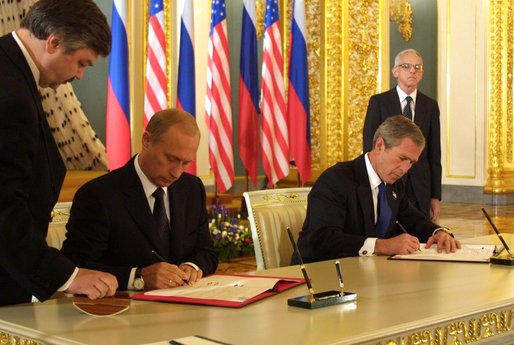
Current crisis communication systems are limited and aging. In an age of cyber attacks, counterspace weapons, and AI-generated deepfakes, there is no guarantee that traditional hotlines will function when needed most. Furthermore, there is currently no established mechanism for multiple nuclear-armed leaders to coordinate jointly during a crisis.
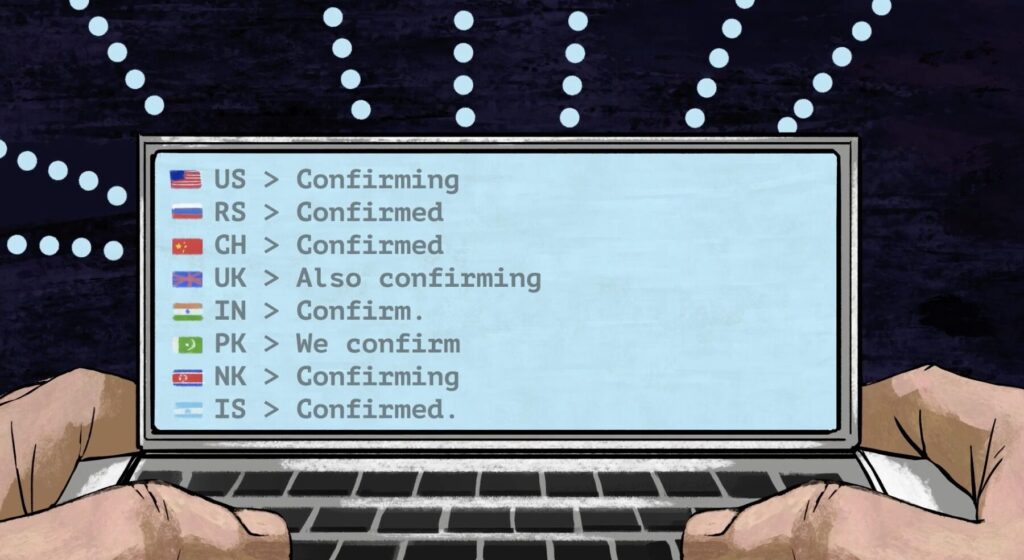
The video introduces CATALINK, a groundbreaking initiative being developed by the non-profit Institute for Security and Technology. CATALINK offers a blueprint for a dedicated, last-resort communication system designed to be the ultimate backstop against nuclear escalation.
“Given the destructive power of nuclear weapons, our leaders’ ability to effectively communicate can mean the difference between the planet’s survival… and its extinction,” Gottemoeller warns in the video.
At the heart of the proposed system is the PUCK, a radically simple, secure messaging device designed to travel with world leaders. Unlike traditional technology, the PUCK is built to operate via a global mesh network, ensuring that messages can be sent even if power grids fail, cell networks and the internet go dark, or undersea cables are severed.
Built on open-source principles to encourage transparency and trust among nations, CATALINK represents a necessary evolution in international security infrastructure. The blueprint exists, and the technology is viable; the video serves as a critical call to action for governments to adopt these modern risk reduction tools before a crisis strikes.
To view the full video and learn more about the technical specifications of the CATALINK project, please visit catalink.securityandtechnology.org.
The Institute for Security and Technology gratefully acknowledges the generous support of the Swiss Federal Department of Foreign Affairs and the German Federal Foreign Office, whose funding made this project possible. Thank you to IST CEO Philip Reiner for his support of the challenging, yet worthy, cause of making nuclear crisis communications safe and secure. Finally, thank you to the STUDIO NYC for making this video’s urgent message come to life.