
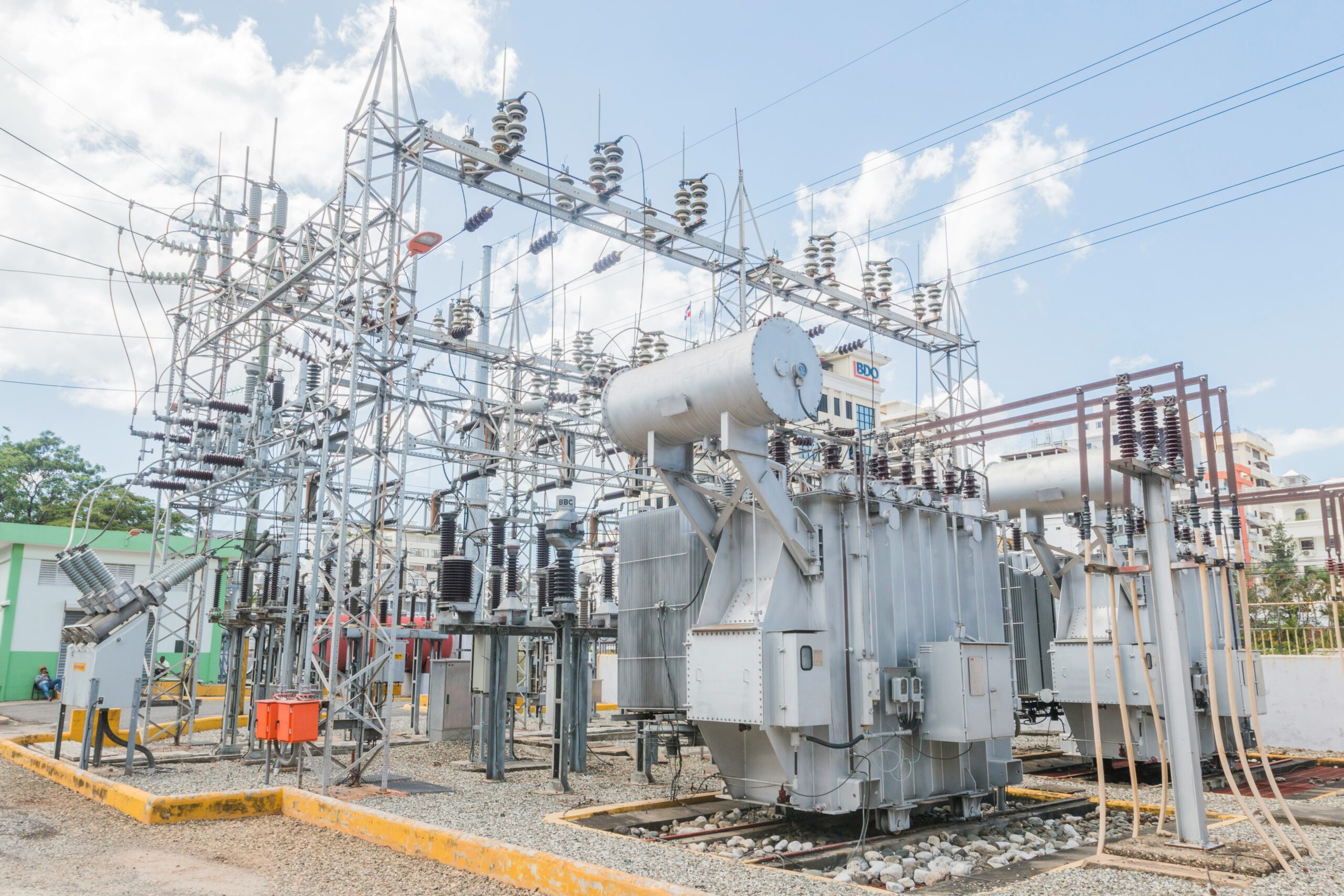
When most people think about energy security, they picture oil pipelines and instability in the Persian Gulf, nuclear power plants and the risk of accidents, or even the last time they lost power for more than an hour. Rarely does anyone think about, or even notice, electric power transformers—the gray steel boxes sitting quietly in substations across the country. Yet these devices are the backbone of the U.S. electric power system. Without them, electricity cannot flow from power plants to homes and businesses. As noted by myriad government reports and industry studies, the U.S. faces a transformer shortage so severe that it could threaten the resilience of the entire electric system.
The U.S. power system is often described as the most complex machine ever built, and as with many machines, it depends on a surprisingly fragile component. The largest power transformers can weigh several hundred tons, stand over two stories tall, carry many sensitive components, and cost millions of dollars. Transformers placed on high-voltage power lines are carefully engineered to match the specifications of the specific location, and if one fails, can’t be quickly replaced. In fact, with existing backlogs, manufacturing and delivering a new one typically takes two to five years! What’s more, transporting a high-voltage transformer requires specialized rail cars or trucks, and installation requires skilled crews, equipment, and weeks of testing, meaning these devices are by no means “off the shelf” or “plug-and-play.”
How we got here: A convergence of circumstances
The transformer shortage is not the result of any single failure or misstep, but rather the outcome of several converging trends. Many of the transformers in service today were installed decades ago and are now reaching the end of their expected lifespan. At the same time, more frequent and severe weather events are putting added stress on an already aging fleet, while rising electricity demand, including from data centers, has only accelerated the need for new equipment.
Compounding this demand is the reality that transformer production has always been a specialized industry with limited manufacturing capacity. Building a utility-scale transformer requires rare electrical steel, skilled labor, and years of lead time. With only a handful of facilities worldwide capable of meeting these specifications, supply has struggled to keep pace.
Why utilities can’t fix this alone
Stockpiling transformers might seem like an obvious solution, but large units are too expensive and customized to store in meaningful numbers. Even if utilities could afford the space and cost, a transformer built for one high-voltage system would rarely fit seamlessly into another.
This leaves utilities dependent on a manufacturing base that is already strained. Only a handful of plants in North America produce these machines, and global suppliers are facing their own backlogs. Large utilities can sometimes leverage buying power to move up in the queue, but smaller rural cooperatives and municipal utilities often find themselves waiting longer and with fewer options. In practice, resilience often comes down to luck—whether a utility happens to find a suitable spare when disaster strikes.
What needs to change
Utilities and government agencies are aware of the problem. The Department of Energy has identified large transformers as among the most critical and at-risk pieces of U.S. infrastructure, and the Federal Energy Regulatory Commission has encouraged utilities to more aggressively undertake resilience measures. Still, the electric transmission system remains largely overlooked compared to the attention given to power generation or even oil and gas.
Part of the challenge is visibility. Transformers don’t make for political headlines or ribbon-cutting ceremonies. They simply hum in the background, out of sight and out of mind. That invisibility has left them underfunded and under-prioritized, even as they quietly hold the keys to America’s energy security.
Tackling this challenge requires the Trump Administration—and those that follow—to modernize our approach to energy security. Increasing domestic oil production may contribute to energy independence, but it does little to keep the lights on in Pennsylvania when a substation is damaged in a storm. Energy security in 2025 is more about whether the grid can deliver power where and when it’s needed.
In the past, America has been able to rise to the occasion and act decisively when infrastructure weaknesses are seen as matters of national security. The oil shocks of the 1970s led to the creation of the Strategic Petroleum Reserve. The recent semiconductor shortages spurred the CHIPS Act to rebuild domestic production. Transformer supply deserves this same level of urgency, and several potential solutions immediately come to mind:
- Expand domestic manufacturing. Though doing so will require incentives to make the investment worthwhile for companies in a cyclical industry.
- Establish a modest federal stockpile of standardized transformers could also serve as an emergency reserve, buying time after disasters or attacks.
- Engineer greater standardization into our transformer designs and specifications. Doing so would make replacements more interchangeable, less costly, and reduce lead times.
A shared path forward
In the end, U.S. energy security may hinge less on grand new projects or international deals than on the quiet, humming transformers—and other mundane but critical equipment—that keep the lights on. Tackling this challenge requires closer collaboration between government, utilities, and manufacturers to forecast demand, secure equipment supply chains, and prepare for emergencies together. That’s why IST launched our Energy FIRST initiative, and we’re ready to roll up our sleeves and to work together in addressing the nation’s energy security challenges.