Skip to content
Sign Up for Our Newsletter
About
Close About
Open About
About the Institute for Security and Technology
Our Team
Board Of Directors
Careers
Contact Us
Featured Events
Cyber Policy Awards
Critical Effect DC
Projects
Close Projects
Open Projects
AI and NC3
Pioneering action-oriented efforts to explore how advanced AI capabilities will be integrated into nuclear command, control, and communications
AI Antitrust and National Security
Exploring how to more effectively account for national security considerations in AI antitrust cases while respecting precedent, scope, and the core principles of antitrust law
AI Risk Reduction Initiative
Assessing the emerging risks and opportunities of AI foundation models and developing risk reduction strategies
AI Chip Export Control Initiative
Safeguarding U.S. national competitiveness by closing critical compliance and enforcement gaps
AI Risk Barometer
Measuring national security professionals’ perceptions of AI futures through a technically-informed survey
CATALINK
Preventing the onset or escalation of conflict by building a resilient global communications system
Energy FIRST
Powering U.S. and allied security & prosperity through a resilient energy future
Ransomware Task Force (RTF)
Combating the ransomware threat with a cross-sector approach
Religious Voices and Responsible AI
Engaging religious communities on safe and beneficial AI
SL5 Task Force
Strengthening AI security through a multistakeholder approach
UnDisruptable27
Driving more resilient lifeline critical infrastructure for our communities
All Projects
» Explore all of IST's projects, past and current
Focus Areas
Future of Digital Security
Geopolitics of Technology
Innovation and Catastrophic Risk
Events
Insights
Contact
Search
Donate
Archive
New START
Blog
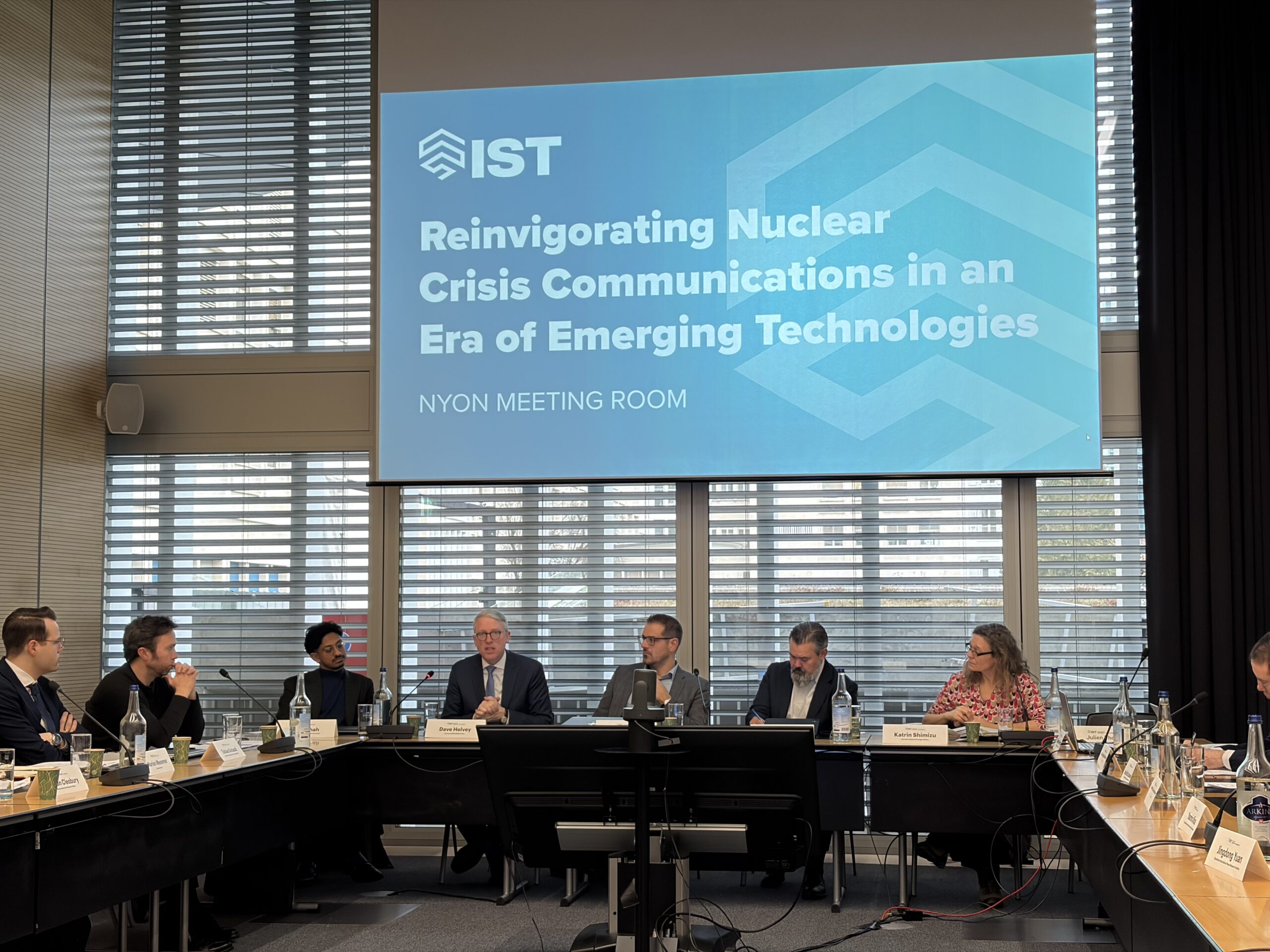
Crossed Wires and Rising Escalations: IST Hosts Workshop on Reinvigorating Nuclear Crisis Communications
On February 18, 2026, the Institute for Security and Technology’s Nuclear Policy team convened for a workshop and scenario-based exercise titled “Reinvigorating Nuclear Crisis Communications in an Era of Emerging Technologies” with leading diplomats, policy experts, and technologists in Geneva, Switzerland.
arms control
,
crisis communications
,
escalation
,
mesh networks
,
New START
,
nuclear
,
risk reduction
March 9, 2026
Blog
Negotiating Stability: Reflections on CSIS’ Future Arms Control Experts (FACE) Program
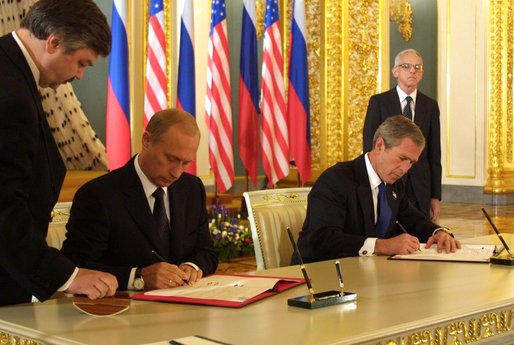
IST Senior Associate for Nuclear Policy Brandon Cortino spent the last year as a fellow in the Center for Strategic and International Studies FACE cohort, which aims to train the next generation of arms control negotiators. He shares lessons learned from his study of the 2002 Moscow Treaty signed by Presidents Bush and Putin. “It is clear future treaties must consider the myriad threats posed by poor AI integration into nuclear command, control, and communications, and great powers must find common ground and rally against destabilizing technologies,” he writes.
George W. Bush
,
hypersonic missile
,
Moscow Treaty
,
NC3
,
New START
,
nuclear
,
Russia
,
treaty
,
Vladimir Putin
November 18, 2025
Search
Search
CATALINK
Home
About CATALINK
Close About CATALINK
Open About CATALINK
Analysis
Close Analysis
Open Analysis
Katrin Shimizu
Home
About
CATALINK BRIEF
FAQ
Our Team
Why do we need crisis communications?
Activities
Events
Insights
Podcasts
Press
Get In Touch