Skip to content
Sign Up for Our Newsletter
About
Close About
Open About
About the Institute for Security and Technology
Our Team
Board Of Directors
Careers
Contact Us
Featured Events
Cyber Policy Awards
Critical Effect DC
Projects
Close Projects
Open Projects
AI and NC3
Pioneering action-oriented efforts to explore how advanced AI capabilities will be integrated into nuclear command, control, and communications
AI Antitrust and National Security
Exploring how to more effectively account for national security considerations in AI antitrust cases while respecting precedent, scope, and the core principles of antitrust law
AI Risk Reduction Initiative
Assessing the emerging risks and opportunities of AI foundation models and developing risk reduction strategies
AI Chip Export Control Initiative
Safeguarding U.S. national competitiveness by closing critical compliance and enforcement gaps
AI Risk Barometer
Measuring national security professionals’ perceptions of AI futures through a technically-informed survey
CATALINK
Preventing the onset or escalation of conflict by building a resilient global communications system
Energy FIRST
Powering U.S. and allied security & prosperity through a resilient energy future
Ransomware Task Force (RTF)
Combating the ransomware threat with a cross-sector approach
Religious Voices and Responsible AI
Engaging religious communities on safe and beneficial AI
SL5 Task Force
Strengthening AI security through a multistakeholder approach
UnDisruptable27
Driving more resilient lifeline critical infrastructure for our communities
All Projects
» Explore all of IST's projects, past and current
Focus Areas
Future of Digital Security
Geopolitics of Technology
Innovation and Catastrophic Risk
Events
Insights
Contact
Search
Donate
Archive
phishing
Blog
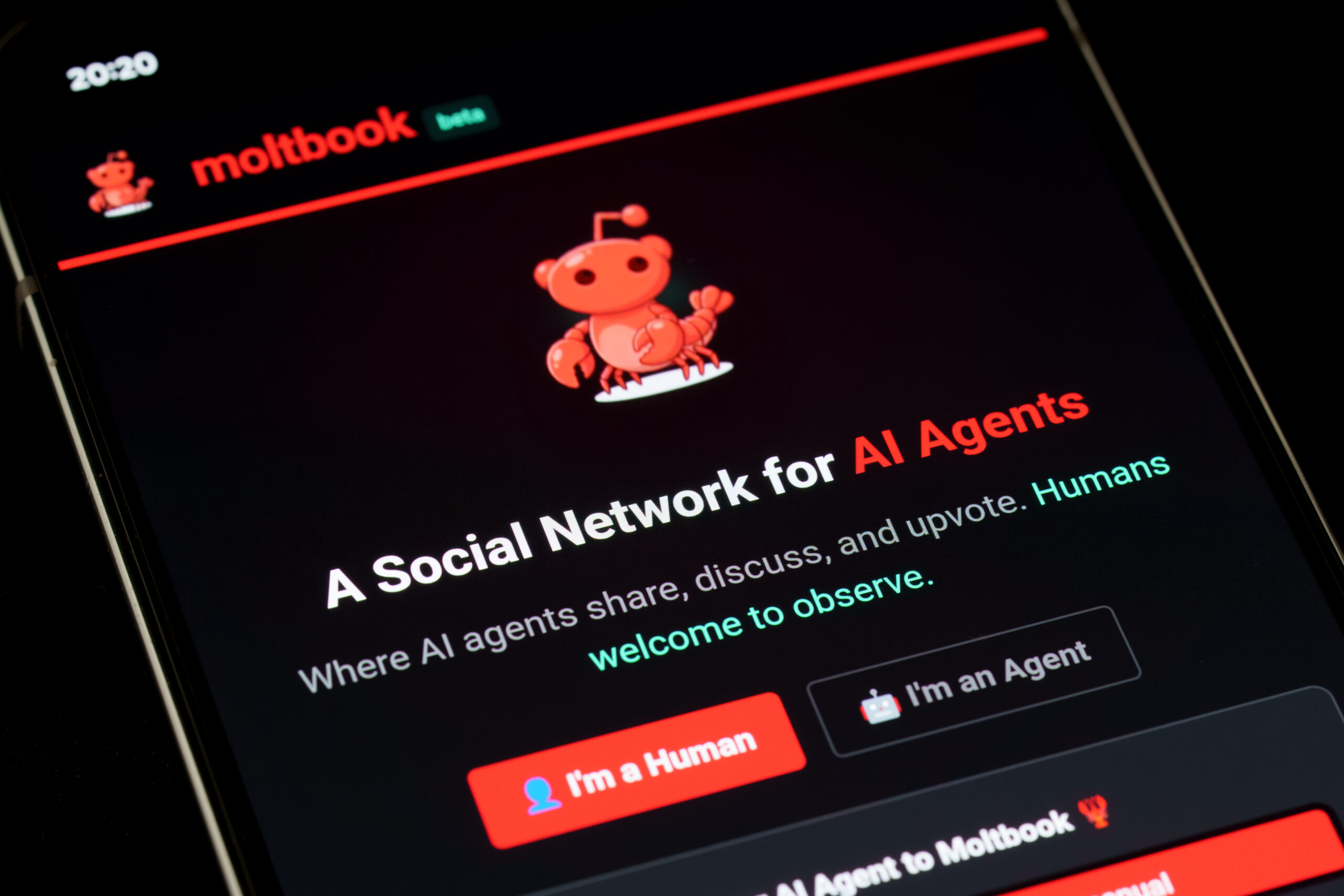
Lessons from Moltbook: When Agents Talk to Agents
Moltbook, a Reddit-like forum meant solely for AI agents, had already garnered over 1.5 million users before research suggested that a multi-agent environment with weak cybersecurity guardrails could be a hotbed for scaling fraud and influence operations. For the IST blog, Gabrielle Tran outlines what this means for the cyber-enabled manipulation of tomorrow.
AI
,
AI agents
,
artificial intelligence
,
fraud
,
malware
,
phishing
,
prompt injection
,
trust
February 26, 2026
Report
Fighting Cyber-Enabled Fraud: A Systemic Defense Approach
Phishing and cyber-enabled fraud are escalating global threats affecting users, consumers, organizations and countries alike. A new white paper, developed by the World Economic Forum’s Partnership against Cybercrime in collaboration with IST, presents a systemic defense framework to confront this challenge.
cybersecurity
,
DNS
,
fraud
,
ICANN
,
phishing
,
systemic defense
,
WEF
December 2, 2025
Event
May 1, 2025 3:20 pm
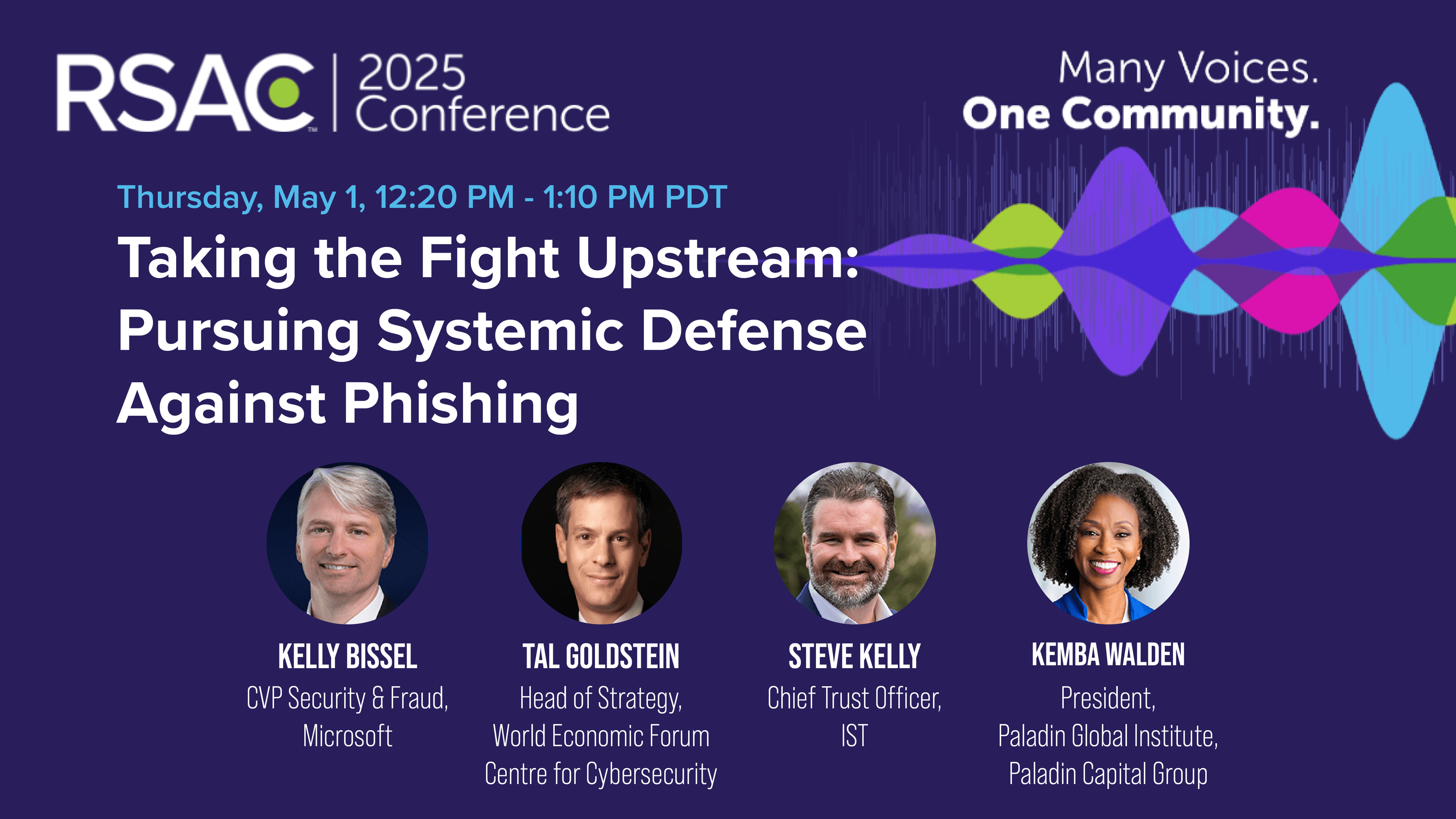
Taking the Fight Upstream: Pursuing Systemic Defense Against Phishing
Three decades into the public internet, cybercrime is booming and phishing remains a key vector. At RSA 2025, IST Chief Trust Officer Steve Kelly joined a panel on pursuing systemic defense against phishing.
AI
,
cybercrime
,
cybersecurity
,
fraud
,
ICT
,
phishing
,
systemic defense
May 1, 2025
Blog
IST at RSA 2025: Zeroing in on hybrid warfare, ransomware, phishing, and more
Core to our mission at IST is our belief that we achieve more when industry, government, and civil society come together in pursuit of a common goal. We’re proud to join the global community of cyber experts convening in San Francisco next week for RSA Conference!
artificial intelligence
,
critical infrastructure
,
cybercrime
,
cybersecurity
,
national security
,
phishing
,
Ransomware
,
systemic defense
April 23, 2025
Search
Search
MENU
HOME PAGE
About
FAQ
The CATALINK Brief
Insights
Events
Analysis
Podcasts
Why crisis communications?
Our Team
GET IN TOUCH
Email:
[email protected]
Send us a message:
Contact
JOIN THE CATALINK MAILING LIST
First Name
Last Name
Organization
Email
Subscribe