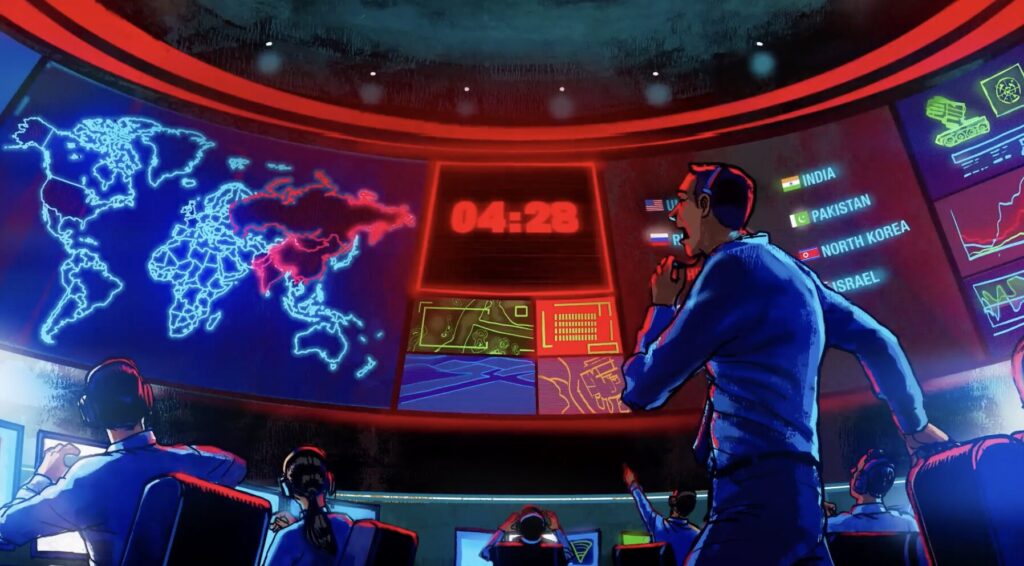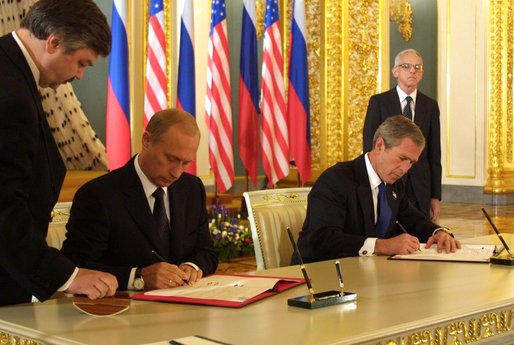
The case for nuclear risk reduction has never been more urgent. Just in the last year, the world has confronted a series of stark reminders of how quickly nuclear crises can materialize. In May 2025, India and Pakistan engaged in a four-day armed conflict that highlighted the serious escalation risks of conflict between two nuclear powers. The expiration of the New START Treaty and the demise of bilateral arms control as we know it have introduced unprecedented levels of mistrust and opacity amongst nuclear-armed states. And the outbreak of military conflict in Iran, driven in large part by longstanding concerns over its nuclear program, demonstrates how quickly regional tensions can involve nuclear calculations on a global scale.
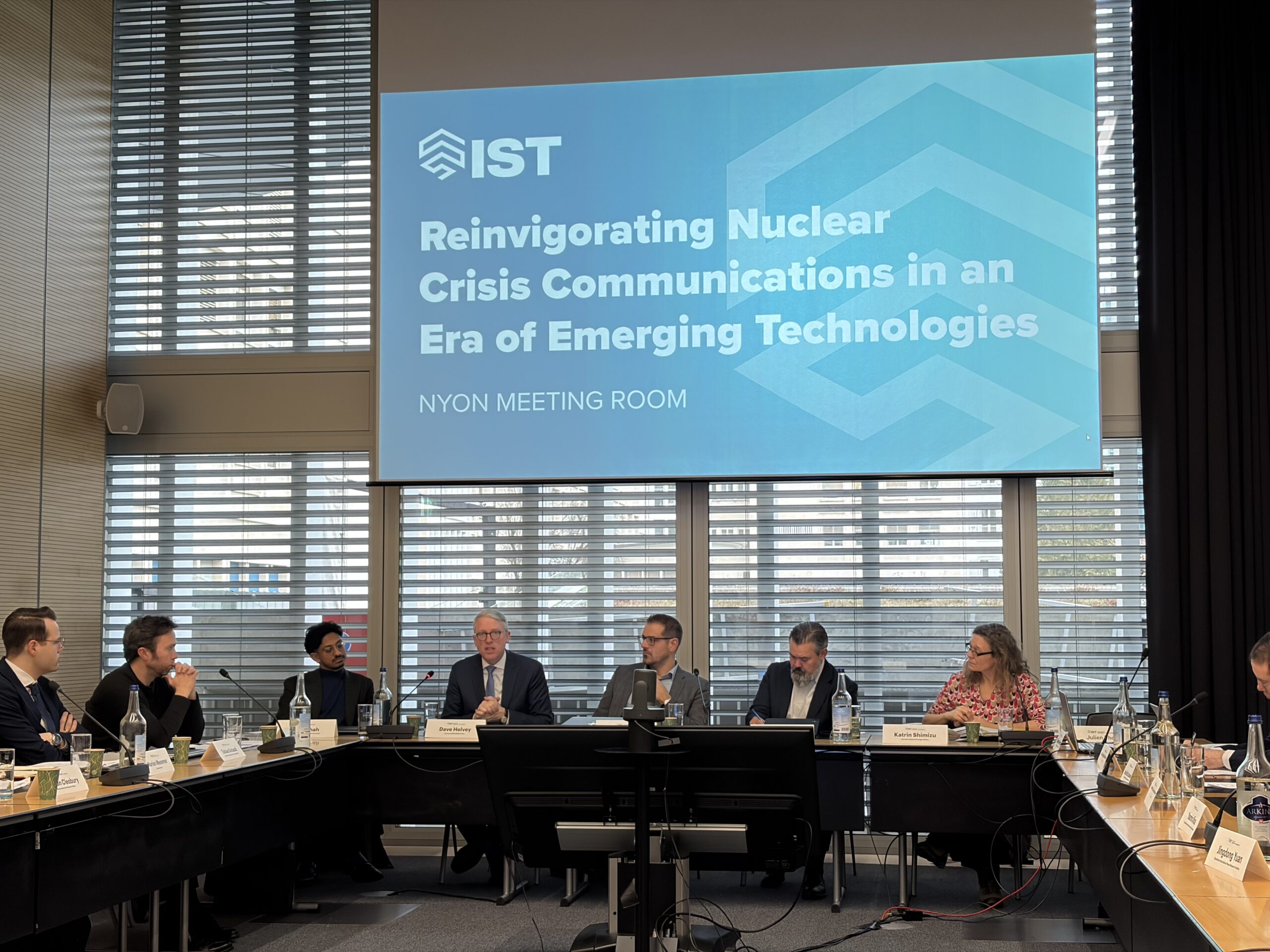
These developments only reaffirm IST’s critical ongoing work in nuclear risk reduction and crisis communications. Last month in Geneva, IST’s nuclear policy team hosted a workshop entitled “Reinvigorating Nuclear Crisis Communications in an Era of Emerging Technologies” and scenario-based exercise. As IST continues its efforts to bring together policy and technical stakeholders to address the technical and political gaps in current nuclear crisis communication channels, the workshop helped our team hone in on the specific, actionable policy and technical solutions to achieve true nuclear risk reduction.
Direct lines of political and military communication have been one of the quiet successes of nuclear risk reduction over the past decades, providing essential lines of contact in times of crisis. Today, however, these existing bilateral lines of communication are ill-equipped to face 21st-century challenges. They were neither designed to withstand the disruptive potential of emerging technologies, nor are they prepared to manage crises in an increasingly multipolar landscape.
Emerging Technology Threats to Nuclear Crisis Communications
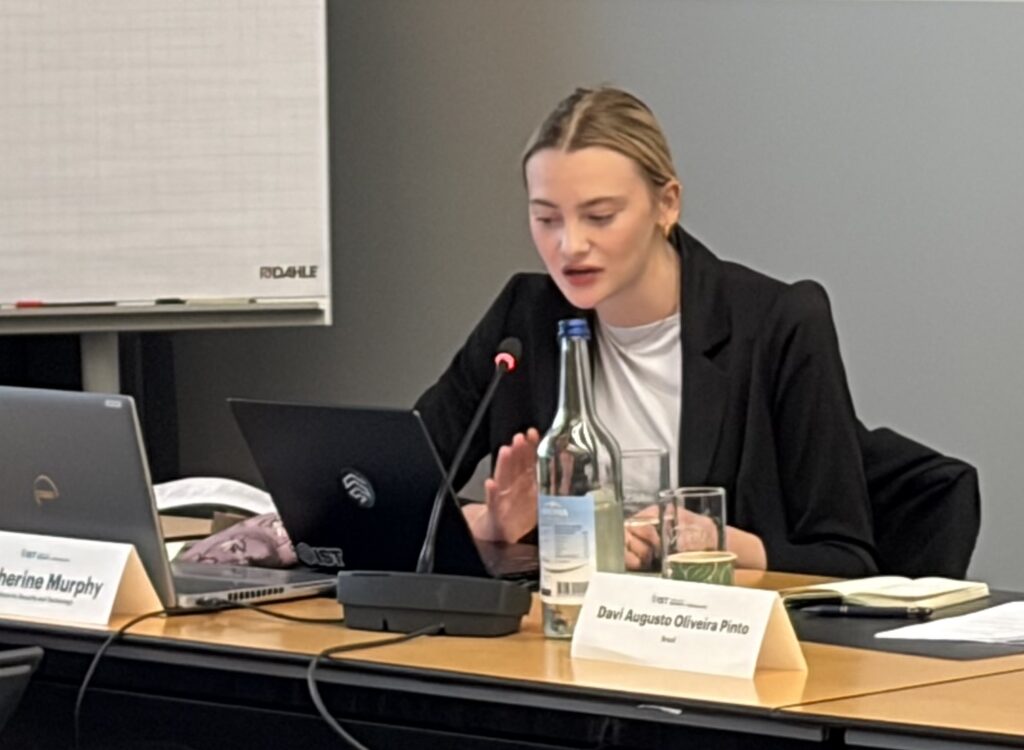
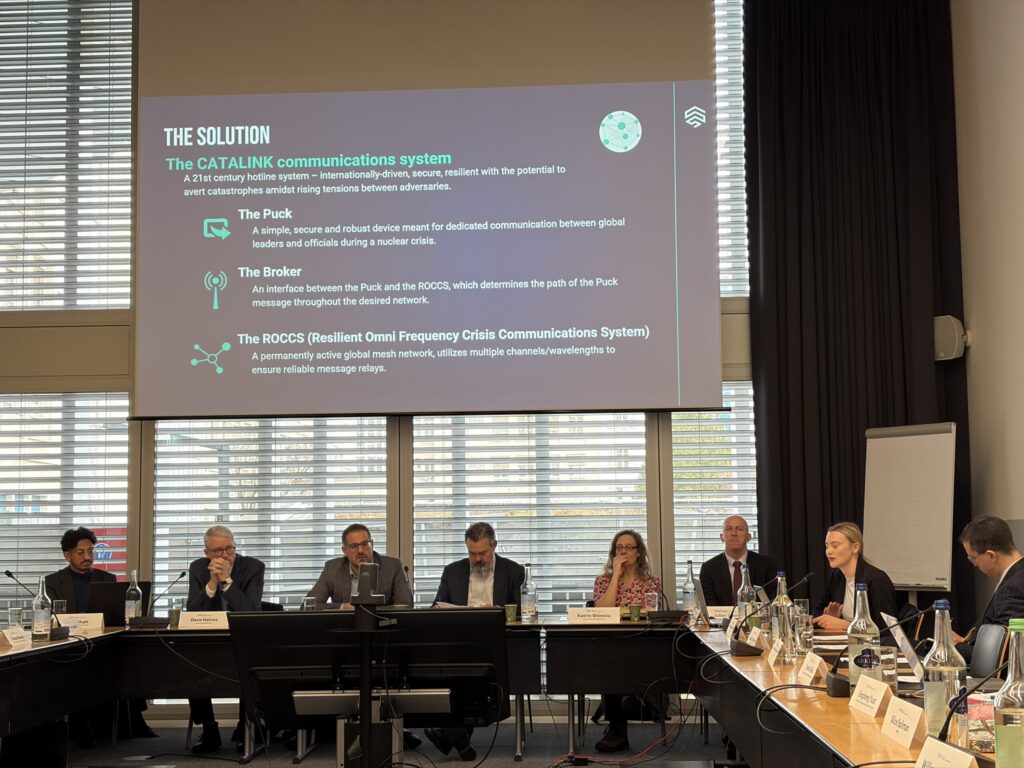
In this era of emerging and disruptive technologies (EDTs) and the increasingly multipolar nature of crises, the workshop sought to explore concrete technical and policy solutions for improving nuclear crisis communications. Participants worked to identify technical vulnerabilities in current communications channels and elucidate ways in which crisis communications could be a useful and reliable nuclear risk reduction tool. The workshop came on the heels of a two-day conference hosted by the Swiss Federal Department of Foreign Affairs in Geneva focused on nuclear risk reduction.
The workshop featured introductory remarks from David Helvey, former Principal Deputy Assistant Secretary of Defense for Indo-Pacific Security Affairs and Deputy Defense Advisor at the U.S. Mission to NATO. In his talk, he focused on foundational tensions in nuclear crisis communications– most notably the gap between how crisis communication channels are designed to function and how they actually perform under the pressures of a real crisis. While the technical architecture for bilateral hotlines has improved since the Cold War and now includes cyber and space direct lines, the effectiveness of bilateral hotlines depends significantly on pre-delegated authority, trust-building, and aligned incentives. Without pre-existing relationships and authorized spokespeople, even the most resilient military-to-military communication system will fail if any party is hesitant to respond.
Next, participants heard technical presentations from Manu Fontaine, Co-Founder and CEO of Hushmesh; Isaac Flanagan, Co-Founder of Zero Line; and Eric Grosse, former Vice President of Security at Google, to provide a well-rounded mix of technical expertise and practical applications. The discussions highlighted that EDTs erode baseline confidence, making it even more difficult to verify that a given message is authentic, secure, and readily available. These contributions set the tone for the day and provided context for the operational aspects of crisis communications and how specific technologies could undermine the security and reliability of these channels.
Discussions at the workshop highlighted critical EDTs that could undermine the reliability of crisis communications, alongside potential mitigation strategies. First, AI-enabled disinformation, such as deepfakes, have made it easier than ever to convincingly manipulate and falsify a leader’s image, speech, and behavior in communications. World leaders have already been deceived by deepfakes: a Russian prankster successfully impersonated UN Secretary General António Guterres in a phone call with former Polish President Andrzej Duda. To ensure authentication of every message sent, participants highlighted the importance of requiring cryptographic information at every stage. Advanced offensive cyber capabilities are increasingly capable of infiltrating and disrupting critical communication networks and infrastructure. And to complicate matters further, counterspace and anti-satellite capabilities can kinetically degrade or destroy satellites essential to communications infrastructure. To this end, many states and industries are working to integrate mesh network systems in their communication systems to provide redundant points of contact and ensure utmost privacy.
Stress Testing Nuclear Crisis Communications
To test some of these technical vulnerabilities, the participants engaged in a scenario-based exercise that tested assumptions, pushed comfort zones, and prompted critical questions. The exercise revolved around the focal question: How would leaders of nuclear-armed states navigate high-level communications in the face of technical failures during a nuclear crisis? The crisis scenario involved four fictional countries, all of whom held nuclear weapons and various conventional and cyber capabilities. The scenario exercise began with initial internet and secure military communications outages caused by undersea cable disruptions. Participants navigated the crisis through multiple turns of unreliable and incomplete information, with compounding technical failures from a variety of sources.
Two major themes stood out from preliminary findings of the exercise. First, the exercise exposed how disinformation and information asymmetry can be destabilizing in a nuclear crisis. As communications infrastructure degraded throughout the crisis, participants found themselves increasingly unable to distinguish between deliberate deception and accidental technical failure–a distinction critical to determining whether a state should respond diplomatically or kinetically. Participants explored unconventional forms of direct communication, including social media and public addresses, but these alternatives introduced their own unique credibility problems, fueling distrust and uncertainty in the decision-making process.
The degraded information environment also highlighted the difficulty of establishing quick, reliable forms of communication when traditional channels are unavailable. As technical failures compounded, participants experienced firsthand how the speed at which a nuclear crisis unfolds far exceeds leaders’ ability to verify the quality of information received. This creates its own crisis of attribution. While backchannel options through intermediary parties or official diplomats help to authenticate messages and signaling, they could cause significant delays in high-stakes decision-making scenarios when time is a luxury. The exercise ultimately illustrated that the absence of trusted, resilient, and secure nuclear crisis communications could accelerate nuclear escalation risks, forcing leaders to act on assumptions rather than verified facts.
CATALINK and the Road Ahead
The CATALINK system, one of IST’s flagship initiatives on nuclear risk reduction, fills a crtitical gap to serve as an essential fallback option for states navigating a nuclear crises in a degraded environment. CATALINK is a blueprint for a multilateral crisis communication system between the leaders of all nuclear-armed states. This system consists of three parts: the Puck, a simple, secure, and robust messaging device for leader-to-leader communication before, during, and after a crisis; the Broker, an interface connecting the Puck to the transmission network; and the Resilient Omnifrequency Crisis Communications System (ROCCS), a permanently active global mesh network designed to withstand even the most degraded environments. When all else fails, the CATALINK system is intended to be an ultimate backstop to prevent or cease nuclear war–a rare, tangible technical solution to add to the nuclear risk reduction toolkit.
Looking forward, 2026 is a critical year in nuclear policy. Notably, in April and May, the international community will convene in New York for the 2026 Review Conference of the Parties to the Treaty on the Non-Proliferation of Nuclear Weapons (NPT), where parties will attempt to reach an agreement on the implementation of the principles of the NPT and share collective ideas on nuclear risk reduction and eventual disarmament. IST’s Nuclear Policy team will be there and working to raise the profile of the CATALINK initiative.
This project is made possible due to the generous political and financial support of the Swiss Federal Department of Foreign Affairs and the German Federal Foreign Office. We appreciate Bern and Berlin for their support for the CATALINK initiative and for championing essential risk reduction efforts in an increasingly tense and unstable security environment.