Preventing the onset or escalation of conflict by building a resilient global communications system.
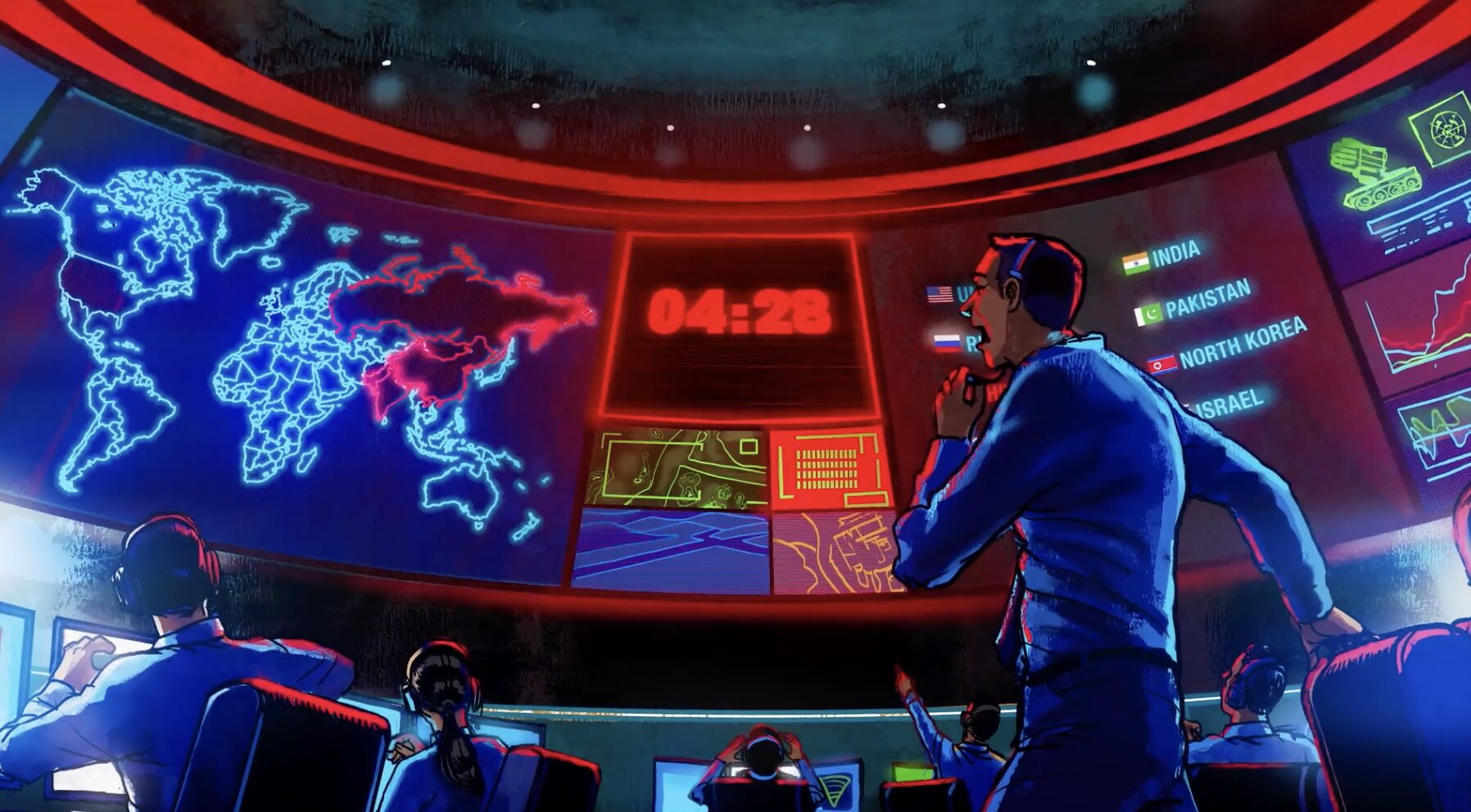
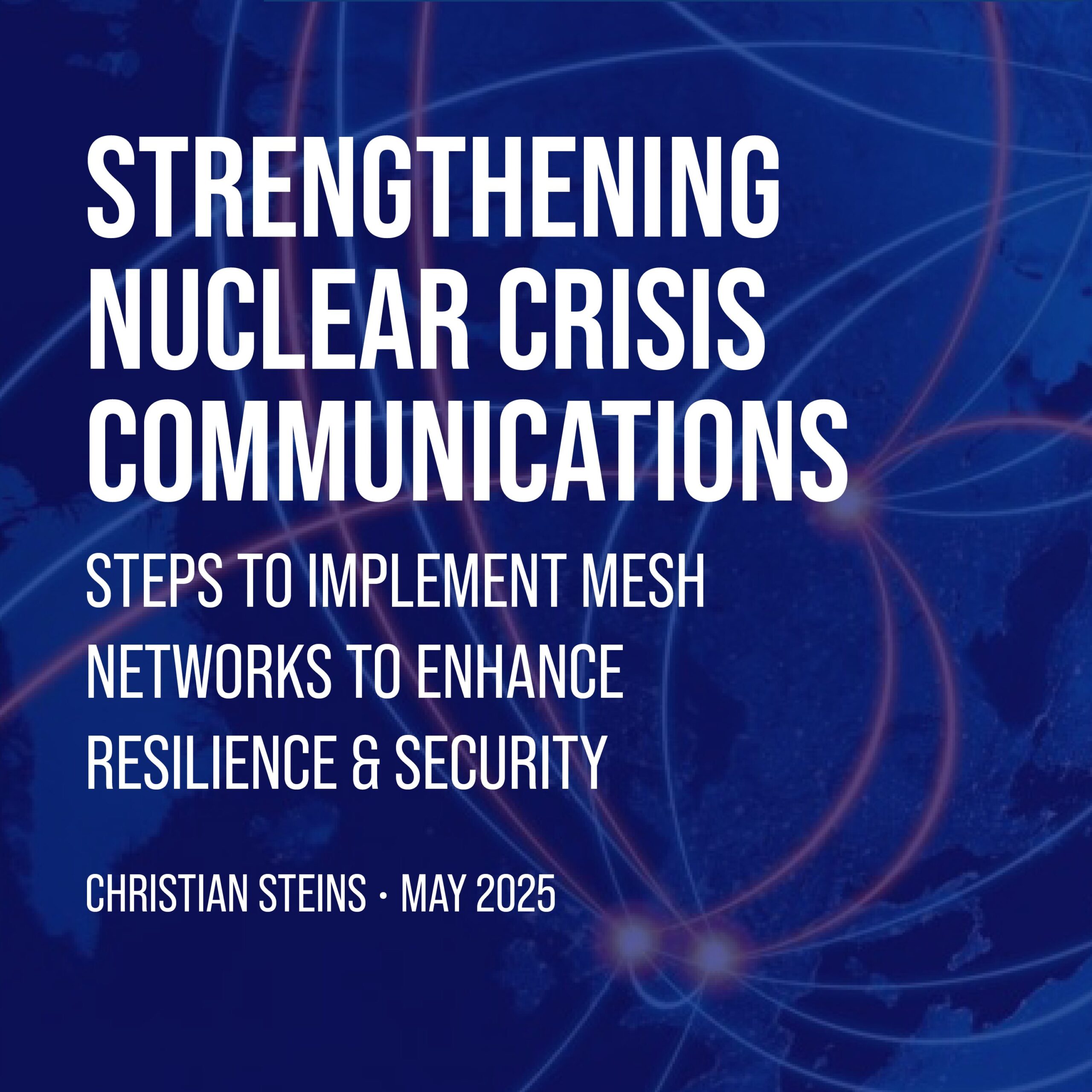
Today’s nuclear command control and communications systems (NC3) rely on both legacy and modern technologies that are increasingly vulnerable to rapidly emerging, disruptive capabilities. This fact compounds what is already an untenable reality of NC3 systems: the communications links that underwrite their credibility are the first targets in any escalating kinetic conflict. Despite these facts, if and when NC3 systems fail under stress, leaders must still be able to communicate to prevent large-scale conflagration.
The CATALINK system proposes an internationally-driven, secure, resilient communications solution that has the potential to avert catastrophes amidst rising tensions between adversaries.
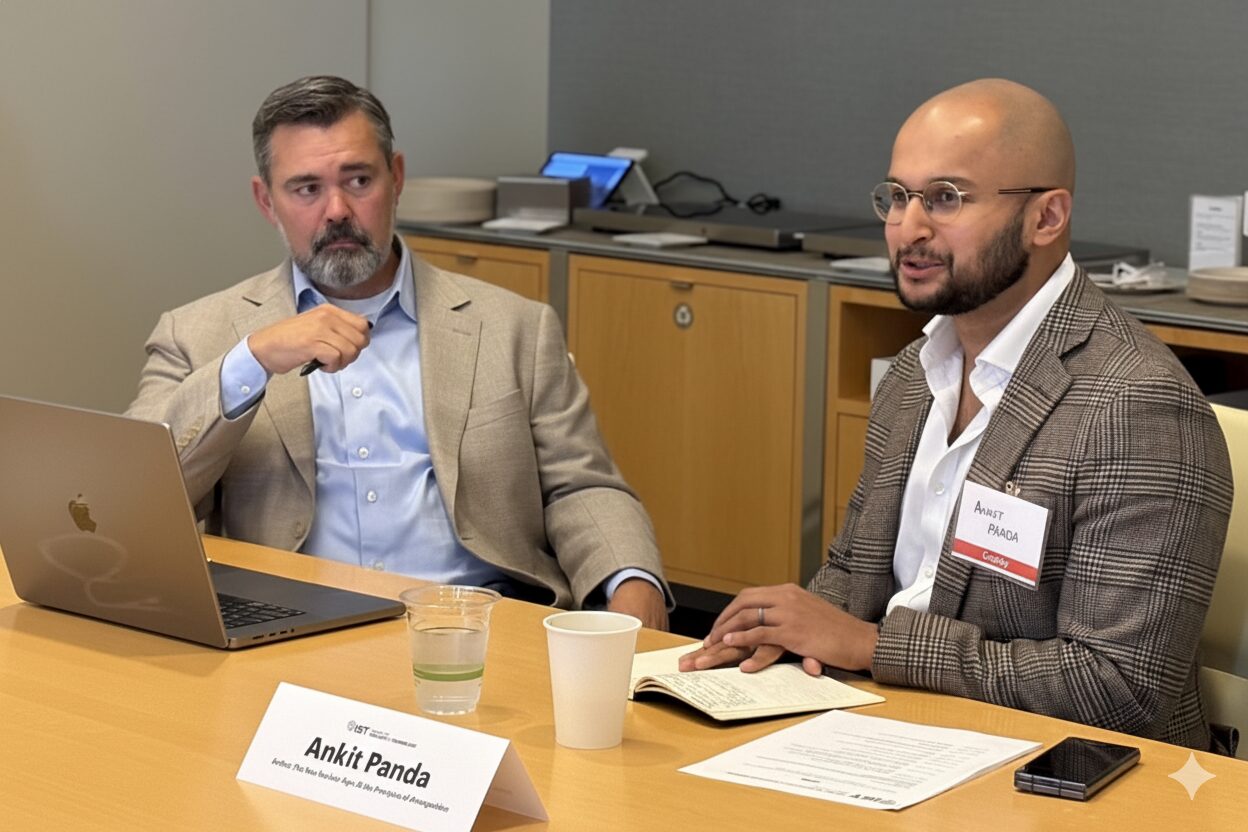
CATALINK was conceived during international meetings convened by the Institute for Security and Technology (IST) at Stanford University’s Hoover Institute in 2019, where IST brought together global nuclear policymakers, academics, current and former senior decisionmakers, and experts from the technology sector for discussions on nuclear command, control, and communications (NC3). These discussions highlighted the technical vulnerability of communication systems – but also solutions that could reinforce resilience and trust. The combination of policymakers and technologists is critical to the CATALINK project, and that mix continues to advise and develop the conceptual system today.