Time to 2027
UnDisruptable27 (U27) exists to translate high-level risk awareness into local readiness. Focusing at the nexus of water infrastructure and emergency healthcare, this initiative responds to an urgent reality: critical infrastructure faces a multidimensional threat, and most communities remain underprepared.
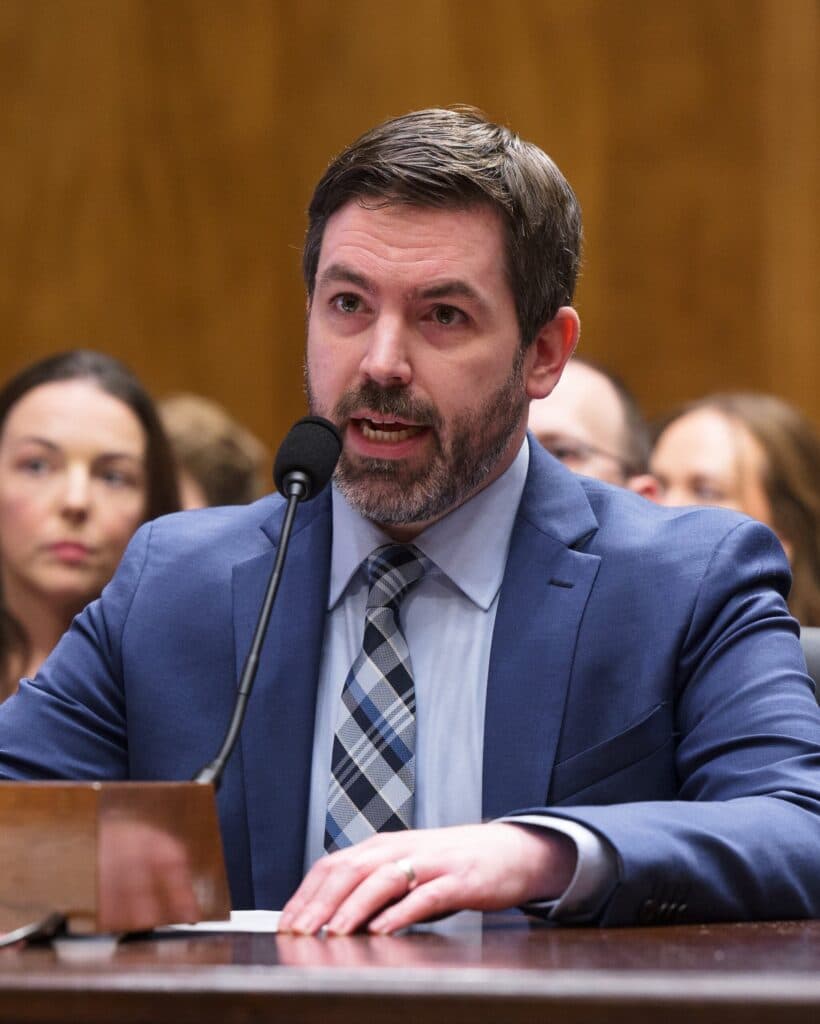
U.S. officials have testified about People’s Republic of China (PRC) hackers’ capability and intent to be able to disrupt domestic infrastructure by 2027. This targeting of critical infrastructure by PRC army units creates leverage in a potential conflict, as the disruption of civilian life could impair policymakers’ capacity for rapid response in a crisis. While we cannot control the PRC’s strategic aims, we can reinforce the resilience of our communities.
UnDisruptable27’s mission is to bridge this preparedness gap by equipping communities on the front lines with the information, tools, and support they need to mitigate the impacts of increasingly complex and cascading infrastructure disruptions. By empowering local leadership, infrastructure operators, and everyday Americans with accessible, actionable insights, UnDisruptable27 aims to enhance national resilience… starting at the local level.
The Latest from UnDisruptable27





About the Effort
Phase Two [June 2025 - present]
Building Playbooks
The current phase of U27 is focused on leading with empathy. Simply knowing about the threats to water facilities and the severe downstream consequences of water service interruption isn’t enough, on its own, to spur action to mitigate these risks. In fact, human nature is to ignore catastrophic risks unless there is a clear, actionable step that we can take to reduce them. By going first to hospital communities to understand their dependencies—and then working directly with the utilities that provide the water they need—U27 is headed to the front lines. The effort will first seek to understand the practical challenges these water utilities are facing and overcome those challenges to improve their resilience. Over the next two pivotal years, U27 will:
- Get hands on with communities: The U27 team is engaging with 12 communities across the country. In each community, we will identify the critical healthcare centers that serve its residents and the water facilities that those centers rely on. U27 will work directly with those water owners and operators to not just overcome awareness barriers, but the motivation and enablement barriers that prevent utilities from adopting engineering solutions to mitigate risk.
- Tell their stories: To scale solutions, the U27 team will elevate the voices of operators and local leaders. By leveraging creative partners, the team will amplify pilot participants to be the ambassadors and advocates for a resilience-forward approach.
- Anticipate & mitigate barriers to scaling: Armed with success stories and blueprints, U27 will get ahead of supply chain and other dependencies that would prevent this approach from scaling to the 6,000 hospital communities nationwide and beyond.
- Blaze pathways for follow-on collaboration: Engineering changes can prevent the very worst outcomes, but as organizations are willing and able to accept more help, they will need cyber-informed solutions to mitigate more steady-state, peacetime risks. As part of the Cyber Civil Defense Initiative, U27 will bring Cyber Resilience Corps volunteers to help operators reach the next level of defense.
By 2027, our critical infrastructure operators will be hearing about successful deployment of risk-reducing technologies from their own peers—and will know exactly how they can bring those solutions to their communities. As a result, the United States will be safer from the type of knockdown blow our adversaries are planning, and they will know they missed the window to act before our guard was up.
Pilot Phase [June 2024 - June 2025]
Reaching the Unreached
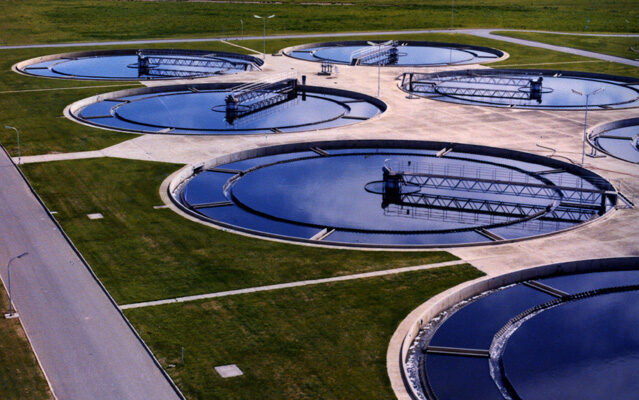
This foundational phase, which concluded in June 2025, prioritized expert outreach, stakeholder engagement, and the development of compelling storytelling to communicate risk clearly and effectively. The pilot identified interdependencies among lifeline sectors as a key point of weakness in the run up to potential conflict. U27 identified disruptions to continuity of patient care delivery in hospital communities as the factor that holds the greatest potential for losses of life, and zeroed in on the: fragile water and power systems which support them. There are over 151,000 water treatment plants in the United States, but existing support networks, like trade associations, Information Sharing and Analysis Centers (ISACs), and government channels, reach only a small fraction of them.
The best mitigations for these risks are largely driven by physical, not cyber, engineering. We need a consequence-driven cyber-informed engineering (CIE) approach with an initial emphasis on available physical interventions. Despite the clear and urgent threat, the U.S. federal government is stepping back from this shared responsibility. In response, we need to be bold, agile, and creative if we are to remain undisruptable.
Get Involved
We are neither alone nor powerless. UnDisruptable27 aims to tap into the ranks of existing philanthropic initiatives and the thousands of helpful hackers and technologists who are willing and able to do their parts.
You’re an important part of the effort to strive for undisruptable lifeline critical infrastructure.
Featured Event
Supporters
UnDisruptable27 is supported by Craig Newmark Philanthropies, which provided an initial $700,000 seed round followed by a $3.2 million donation to see the campaign through to conclusion. U27 is an integral part of Craig Newmark’s Cyber Civil Defense initiative, which focuses on bringing broad elements of society to bear to defend people, organizations, communities, and nations from cyber insecurity.