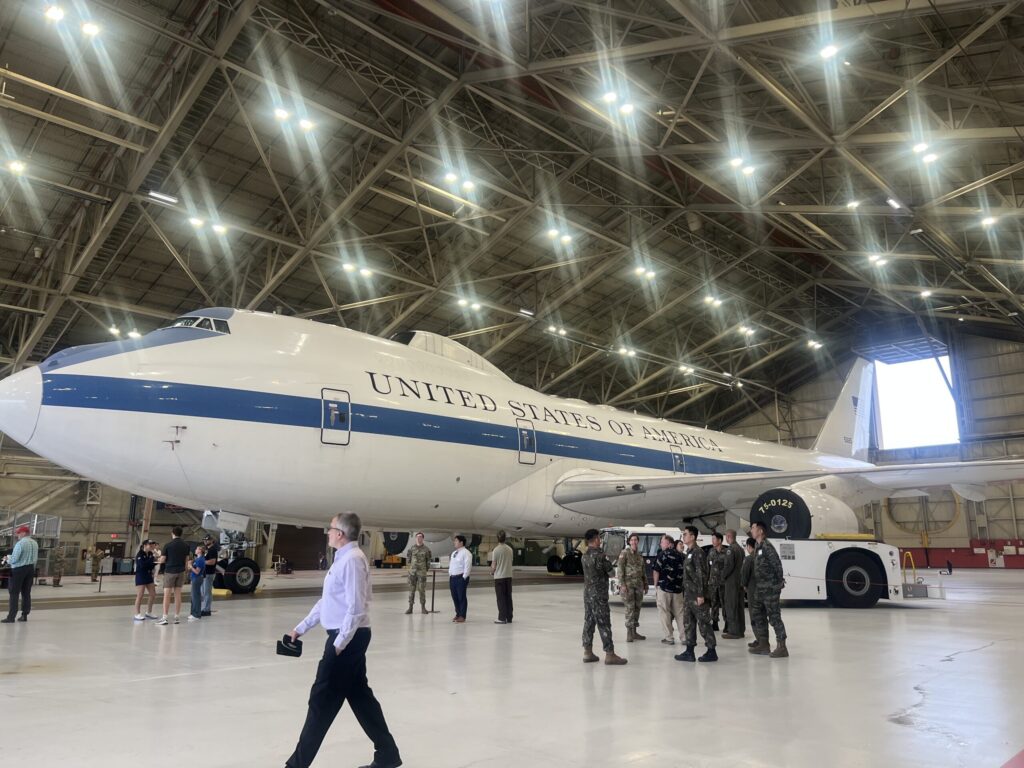
As IST enters Phase Two of its AI and NC3 Initiative, we are pleased to announce the leadership of our four Working Groups and Executive Committee. The leadership of these Working Groups and Executive Committee include leading academics, technologists, and operators able to develop timely and practical recommendations for the integration of AI into military and Nuclear Command, Control and Communications (NC3).
AI integration into NC3 systems is accelerating across multiple states. What’s more, no shared framework currently exists to guide the international community in implementing responsible integration. If done incorrectly, we risk asymmetric adoption of AI between nuclear-armed states that could upset strategic stability, whether through compressed decision-making timelines, automation bias, or threats to secure second strike capabilities.
Against this backdrop, IST convened four distinct Working Groups focused on Competitive AI Dynamics, Global Perspectives on AI-NC3 integration, AI Technical Development and Trajectories, and AI Norms and Governance. Each of these Working Groups are focused on developing actionable policy recommendations for governments and the private sector on the integration of AI into NC3 systems.
To build on existing efforts that focus on the intersection of AI and nuclear weapons, these Working Groups are specifically designed to foster unique, structured dialogue between policymakers, scholars, defense practitioners, and technical experts.The project seeks to strengthen nuclear risk reduction by improving mechanisms for crisis avoidance, supporting strategic stability among nuclear-armed states, and helping ensure that effective nuclear deterrence postures remain compatible with escalation control. Its outputs are intended to inform stakeholders across the Pentagon, STRATCOM and other Combatant Commands, the National Security Council, and frontier AI labs.
To provide strategic oversight and guidance, the AI-NC3 Initiative also established an Executive Committee composed of senior policy practitioners and technical experts, including representation from the U.S. Department of War, STRATCOM, and industry partners. Over the course of this year, the Executive Committee, along with the Chairs and Co-Chairs of each of the four Working Groups, will validate research priorities and methodologies on the basis of operational relevance; serve as the primary liaisons with senior government officials and policymakers; and facilitate briefings for project recommendations. Upon the completion of the project, the Executive Committee will provide feedback meant to stress-test assumptions and ensure all recommendations provided to decision-makers are practical and actionable.
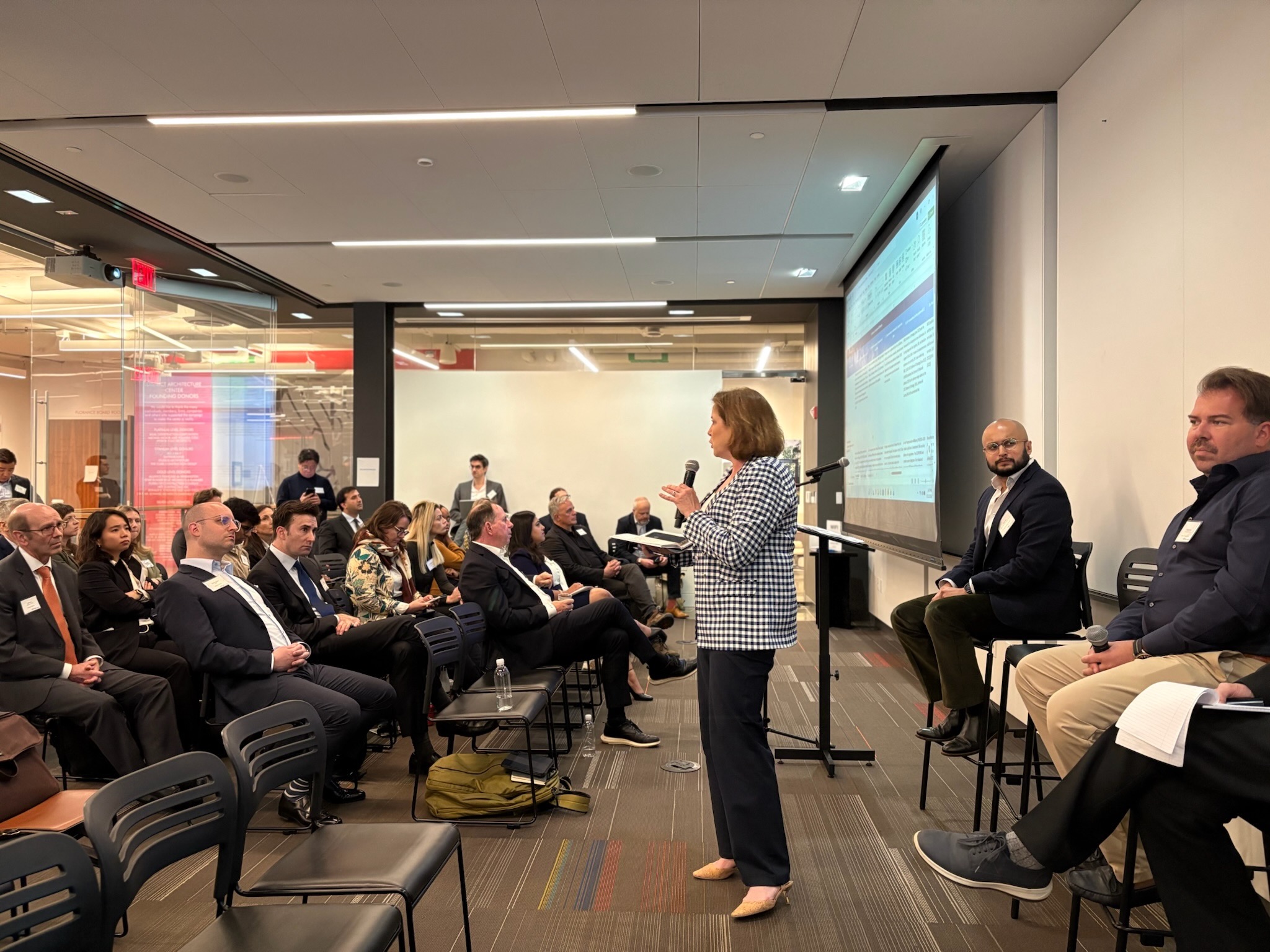
To date, the AI and NC3 initiative has already met for half of its planned convenings, including a kick-off virtual Executive Committee session on November 13, 2025 and an all-day Executive Committee session on April 2, 2026 in San Francisco, CA, as well as a plenary session featuring 83 participants on May 11, 2026 in Washington, DC. The effort will deliver its final recommendations to senior decision-makers and leaders in AI and NC3 by late 2026.