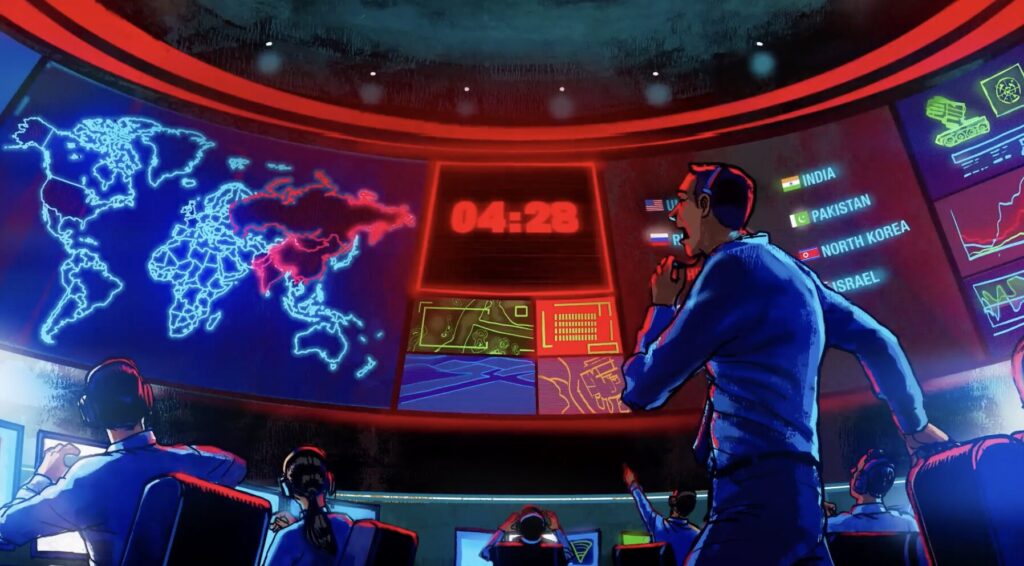
The technologies reshaping the global balance of power are moving faster than our means to manage them. Inspired by the work of former Secretaries William Perry and George Shultz, the Center strives to shape technology’s trajectory into a force for stability and forge a common cause among states and nonstate actors against its most consequential risks.
Strategic stability used to mean deterrence through nuclear parity and mutually assured destruction, and to many, has since broadened beyond the nuclear realm. But in the Intelligence Age, the equation includes a whole new variable.
Strategic stability is a term born of the Cold War nuclear standoff between the United States and the Soviet Union. In its original and narrowest sense, it described a condition in which neither superpower had an incentive to escalate a conflict into the nuclear realm. Parity in nuclear weapons capabilities ensured mutual assured destruction, and because neither side could gain an advantage through first use, both were deterred from escalation. This equilibrium formed the foundation of what came to be understood as strategic stability—though some scholars argue it was aspirational as much as descriptive, remaining contested among strategists and policymakers even at its Cold War origins.
In the decades since, use of the term has broadened considerably — though not into a single, shared meaning. Contemporary American and Russian security discourse has extended “strategic stability” beyond nuclear dynamics to encompass conventional military balances, economic interdependence, alliance structures, and the rules and institutions that govern great power rivalry. Increasingly, other actors invoke the term as well, but often to advance distinct and sometimes incompatible concerns, a reminder that broader usage has not produced a broader consensus.
“Strategic stability” is itself a contested term across geopolitical lines. Russia has increasingly preferred the broader “strategic equation,” reflecting its preference for a wider scope that encompasses conventional forces, missile defense, and space capabilities alongside nuclear weapons. China has favored “strategic security,” a formulation that emphasizes protection from external threats to regime and state survival rather than mutual deterrence between rivals. These terminological differences are not merely semantic; they reflect fundamentally different assumptions about what needs stabilizing, by whom, and how.
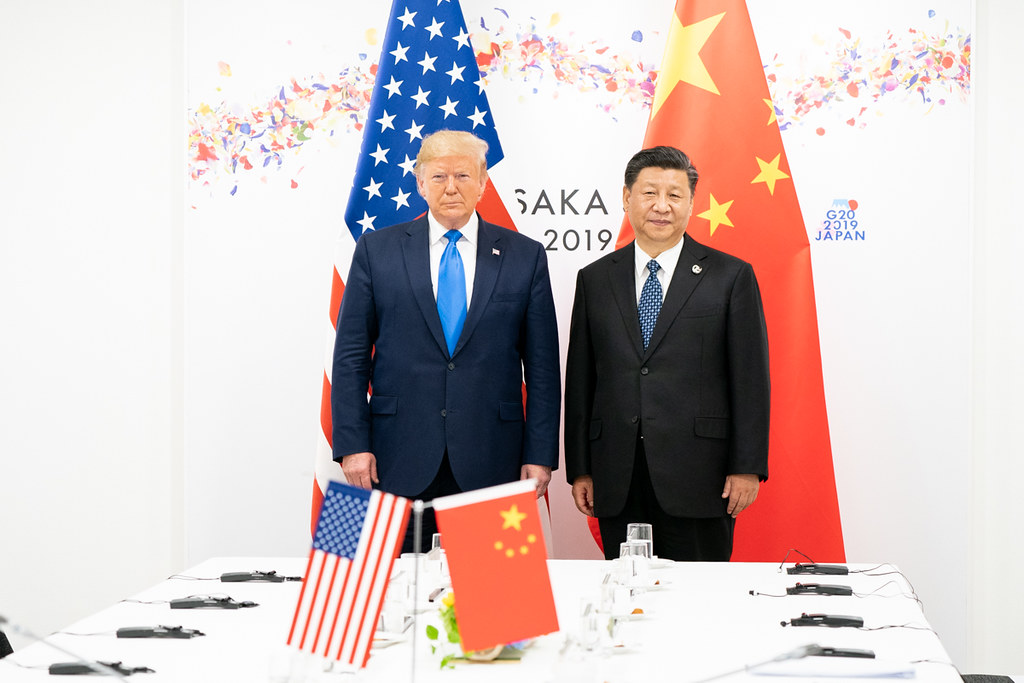
Recent events illustrate this divergence vividly. At the May 2026 Trump-Xi summit, both sides ultimately embraced the phrase “strategic stability,” but not to mean the same thing. The White House fact sheet, issued the day after China’s own summit statement, described the two countries’ goal as building “a constructive relationship of strategic stability on the basis of fairness and reciprocity” — a formulation that quietly folds longstanding U.S. trade grievances into Beijing’s preferred language. China, for its part, tied the concept explicitly to how the U.S. manages its relationship with Taiwan, with Xi calling the issue “the most important” in the bilateral relationship. The result was less a shared framework than a convenient ambiguity: each side could claim the language of strategic stability while pursuing entirely different doctrines beneath it.
The Perry-Shultz Center uses “strategic stability” as its organizing concept while remaining attentive to these divergences. Awareness of this terminological gap will matter practically in any bilateral or multilateral engagement context, shaping how the Center frames its work and engages its interlocutors.
The Center works from the broader contemporary definition, but extends it in one important direction: while strategic stability remains primarily a function of deterrence among states, the conditions that make deterrence work can, in the Intelligence Age, be shaped and eroded by technology-enabled dynamics at the societal level. This concern is not with societal well-being in general or with the internal relationship between governments and their citizens. Rather, its concern is the growing capacity of hostile foreign actors with advanced technology to destabilize societies from the outside, or of autonomous technologies operating without deliberate human direction to do so from within.
The relevant test is one of threshold. Technology-enabled societal disruption becomes a matter of strategic stability only when it compromises a state’s ability to mobilize and project power, thereby altering the deterrence calculus between states. Information warfare that erodes public trust at sufficient scale, or cyber attacks that hold critical infrastructure services at risk, illustrate where this threshold can be crossed; isolated incidents or garden-variety social friction do not meet it.
The Center therefore treats strategic stability as encompassing three nested but distinct concerns:
This is a broader frame than Cold War strategic stability, but it is a direct extension of its core logic: identifying and preserving the conditions under which deterrence holds and catastrophic outcomes remain unlikely.
The Center addresses technology challenges that reach strategic significance: where innovation could trigger great power conflict, enable new forms of warfare, create catastrophic risks, or require new international frameworks to prevent instability. Our work spans the diplomatic, economic, and military dimensions of technology competition, recognizing that strategic stability in the 21st century requires managing risks across all domains.
Examining how emerging technologies are reshaping nuclear deterrence, command and control, crisis stability, and proliferation, and developing the tools and frameworks needed to manage these risks.
Analyzing how competition and cooperation in technology, capital, and industrial capacity are shifting the balance among great powers, and promoting security and stability through coalition-building and engaging competitors alike.
Building the trust, shared understanding, and diplomatic frameworks needed to manage the most severe technology-driven risks (including AI loss-of-control scenarios) across adversarial lines.
Exploring how specific emerging and disruptive technologies — such as cyber, autonomous and embodied AI systems, quantum, and next-generation energy — may reshape strategic stability, and charts a path for managing the risks they introduce.
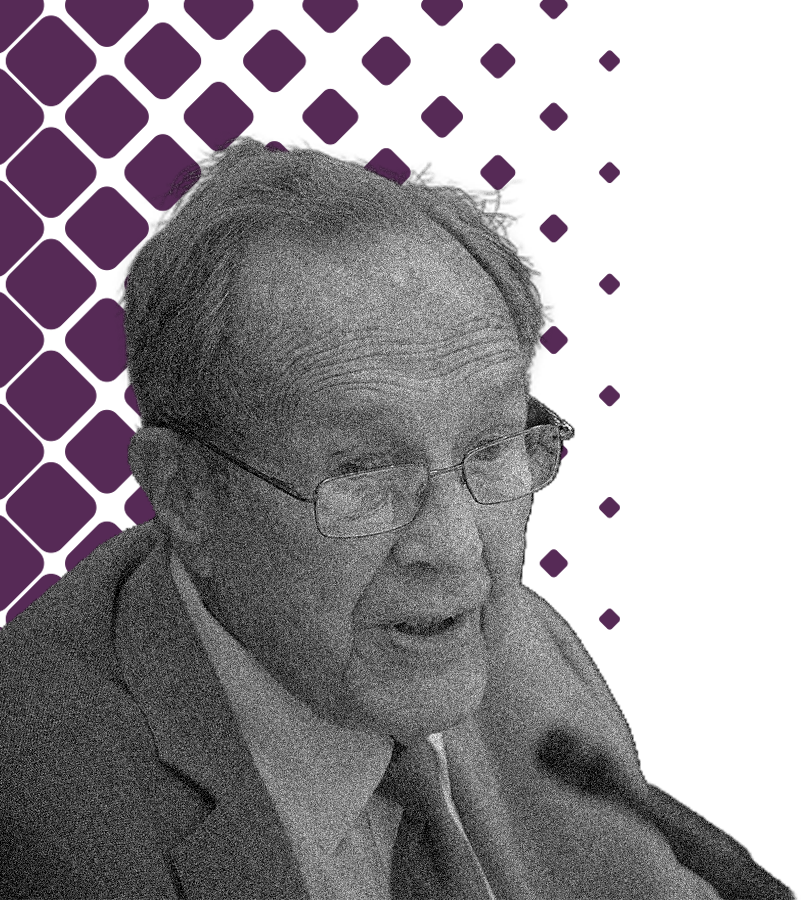
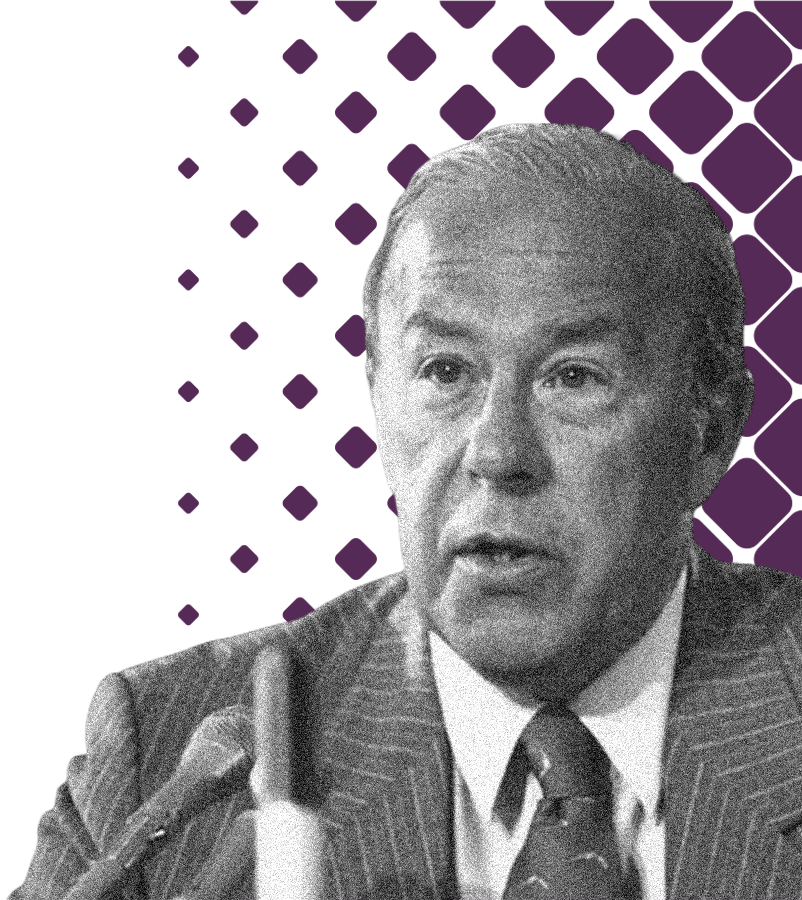
The Center takes its name from former U.S. Secretary of Defense William Perry and the late U.S. Secretary of State George Shultz, who between them spent decades working across diplomatic, economic, and military lines to reduce the risk of catastrophic conflict. Both understood that the same technologies that could threaten stability could also be marshaled to strengthen it. The Center carries forward that legacy of integrated, cross-domain statesmanship, applied to the technologies reshaping strategic stability today.
As the 19th Secretary of Defense (1994–1997) and, before that, a defense innovator who helped pioneer stealth and precision-guided weapons, Perry saw earlier than most that technology could be a source of security or a source of catastrophe — and that the difference lay in how wisely it was managed. He has spent his later career devoted to nuclear risk reduction, warning with clear-eyed urgency that preventing catastrophe requires constant vigilance.
As the 60th Secretary of State (1982–1989) and, before that, an economist who came to see economic strength, diplomacy, and technological competition as inseparable, Shultz helped bring the Cold War to a peaceful close by building trust across some of the deepest rivalries of his era. He carried that same bridge-building instinct into his later years, working across ideological lines on nuclear abolition and energy security in pursuit of a safer world.
is what IST’s The Missing Middle report estimates is achievable through targeted government demand-side commitments — one of four concrete mechanisms designed to close America’s deep-tech financing gap to keep pace with China in critical technologies.
participating in IST’s Andrew Carnegie AI-Nuclear Policy Accelerator fellowship traveled to San Francisco in July 2026 to engage organizations involved in frontier AI models, defense applications, and safety research.
have engaged IST on the importance of multilateral crisis communications and the CATALINK system. IST’s on-point research, writings, and multimedia content have been viewed 2,500+ times.
“The obstacle is rarely knowledge. It is trust, shared frameworks, and the willingness to engage seriously across lines of competition and adversity.”
Steven M. Kelly, President, The Perry-Shultz Center for Technology & Strategic Stability
Dear friends and colleagues,
We are living through a moment when the technologies reshaping the human experience and global balance of power are moving faster than our means to manage them. That gap, which represents the opportunity window for conflict and catastrophe, is the defining strategic challenge of our time. It is not well understood, and it is not being adequately addressed.
IST established the Perry-Shultz Center for Technology and Strategic Stability to pursue solutions at the intersection of emerging technology, great power competition, and catastrophic risk. A new center within IST, it draws on nearly a decade of work and a portfolio of current projects that have positioned it to meet this moment. It conducts research, builds the trust and shared understanding that make cooperation possible, and develops the policy and technical solutions necessary to prevent catastrophic outcomes.
IST is not the typical think tank, and I will admit that I’m not your typical think tank leader. I came to this work through a different path — engineer, to investigator, to intelligence practitioner, to national security policymaker, to tech risk explorer and consensus builder. Over many years of trying to move hard problems from awareness into action, I learned that the obstacle is rarely knowledge. It is trust, shared frameworks, and the willingness to engage seriously across lines of competition and adversity. That is what IST is built to provide, and what this Center will work to accomplish.
We named this unique effort after former Defense Secretary William Perry and late Secretary of State George Shultz because they embodied what this work looks like at its best. Both men brought technical depth, strategic sophistication, and diplomatic skill to confront the hardest problems of their era, engaging across lines in pursuit of stability. Their example is not merely honorary. It is the standard we intend to meet.
The problems ahead are serious, the window narrow, and urgency in short supply. We cannot do this alone, and we do not intend to. I hope you will join us.

Steven M. Kelly
President, The Perry-Shultz Center for Technology & Strategic Stability
Steve brings nearly 25 years of experience at the intersection of technology, national security, and foreign policy—as an FBI special agent, senior National Security Council official, and most recently IST’s Chief Trust Officer leading its AI risk reduction work. While in government, he helped direct the U.S. response to major state-linked cyber incidents, authored and shaped national policy, and worked with foreign partners on cyber and technology issues. Of late, Steve has been engaging counterparts in China and the Indo-Pacific region on challenging technology and stability issues.

The CATALINK project builds an open source, additive, multilateral crisis communication technology for use by the leaders of nuclear weapons states. If implemented, CATALINK would build on the “hotline” model of previous generations, and rely on internationally-driven open-source technologies to maximize user integrity and trust.
Explore policy recommendations, request a briefing, or connect Center research to current policy questions.
Contribute expertise to a working group, workshop, or research project.
Support an initiative, convening, or research agenda aligned with the Center’s priorities.
Connect with Center experts for informed answers on strategic stability and nuclear risk reduction.
Receive emails in your inbox with the latest news, events, and publications from the Perry-Shultz Center.
Aligning incentives in our digital ecosystem so that technology is trustworthy, resilient, and secure
IST’s long-standing efforts on artificial intelligence span multi-agent risks, recursive self improvement, loss of control, AI security, and more